1. Home
  2. Nutrients
  3. Vitamin K
Fat-soluble vitamin

Vitamin K, the clotting vitamin

Vitamin K is a fat-soluble vitamin, as K1 from leafy greens and K2 from fermented foods and gut bacteria, needed to make clotting and bone proteins1.

VitaminsTracked in mcgDaily target3 sources · checked 2026-09-27

How much you need

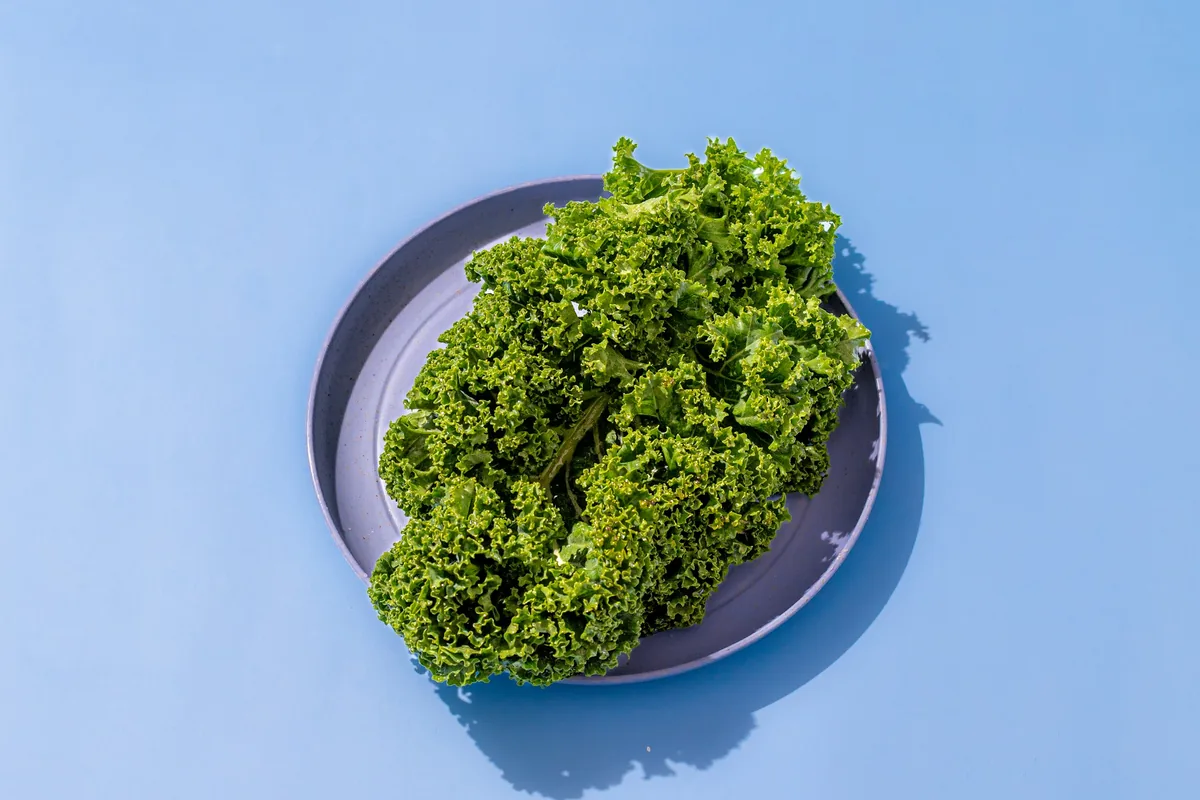
Fresh curly kale on a grey plate against a bright blue background
Photo: Monika Borys on Unsplash (Unsplash License)
01 What it does

What vitamin K does for you.

Blood clotting

Needed to make prothrombin and other clotting proteins1.

Bone proteins

Activates osteocalcin, a bone protein that may be involved in bone mineralization1.

Blood vessel protein

Activates matrix Gla protein, studied for limiting abnormal calcification1.

Enzyme helper

Works as a coenzyme for the carboxylase that switches on vitamin K-dependent proteins1.

Made by gut bacteria

Gut bacteria make menaquinones (K2) that likely meet part of the body's need1.

02 How your body uses it

How your body uses vitamin K.

How your body uses vitamin K: Greens & ferments → Small intestine → Chylomicrons → Liver → Vitamin K cycle → Bone & vessels. Warfarin blocks recycling Vitamin K cycle.01Greens & fermentsK1 in leaves, K2 in natto02Small intestineAbsorbed with bile, fat03ChylomicronsVia lymph to the liver04LiverActivates clotting factors05Vitamin K cycleVKOR recycles vitamin K06Bone & vesselsOsteocalcin, MGPWarfarinAnticoagulant medicineblocks recyclingHow your body uses vitamin K: Greens & ferments → Small intestine → Chylomicrons → Liver → Vitamin K cycle → Bone & vessels. Warfarin blocks recycling Vitamin K cycle.01Greens & fermentsK1 in leaves, K2 in natto02Small intestineAbsorbed with bile, fat03ChylomicronsVia lymph to the liver04LiverActivates clotting factors05Vitamin K cycleVKOR recycles vitamin KWarfarinAnticoagulantmedicine06Bone & vesselsOsteocalcin, MGP

Vitamin K is absorbed with dietary fat, carried in chylomicrons to the liver, and used to activate clotting and bone proteins1. The enzyme VKOR recycles it, and warfarin works by targeting this enzyme3.

03 Where to get it

Foods and other sources.

KaleSpinachCollard greensBroccoliTurnip greensNattoSoybeansLettuceSoybean oil

Vegetarian

Food and servingAmount
Natto, 3 oz (as K2, MK-7)850 µg
Collards, frozen, boiled, ½ cup530 µg
Turnip greens, frozen, boiled, ½ cup426 µg
Spinach, raw, 1 cup145 µg
Kale, raw, 1 cup113 µg
Broccoli, chopped, boiled, ½ cup110 µg
Soybeans, roasted, ½ cup43 µg
Soybean oil, 1 tbsp25 µg

Non-vegetarian

Food and servingAmount
Chicken breast, rotisserie, 3 oz (as MK-4)13 µg
Egg, hard boiled, 1 large (as MK-4)4 µg

Vitamin K1 in vegetables is tightly bound to plant tissue, so eating greens with some fat helps absorption1. Amounts per serving from1.

Gut bacteria

Bacteria in the large bowel make long-chain menaquinones that likely supply some of the body's vitamin K1.

Supplements

Most multivitamins contain some vitamin K, and stand-alone products use K1 or K2 (MK-4, MK-7)1.

Newborn injection

A single vitamin K injection at birth is recommended to prevent vitamin K deficiency bleeding in babies1.

04 How much you need

Your daily reference amounts.

The same reference table draws the reference lines on your charts in Ayuvo. Needs differ in pregnancy and breastfeeding, which are not covered here.

Vitamin K: daily AI by age and sex
AgeWomenMen
19–3090 mcg120 mcg
31–5090 mcg120 mcg
51–7090 mcg120 mcg
71+90 mcg120 mcg

AI (Adequate Intake) is used when there is not enough evidence for an RDA: an amount assumed to be enough. Per day, for adults1.

  • No upper limit is set. People taking blood thinners such as warfarin should keep vitamin K intake steady and follow their clinician's advice.
Vitamin K reference amounts for adults aged 31–50: Women 90 · Men 120 mcgWomen 90 · Men 120 mcg0Adults 31–50, per day
Below the recommended amountMeets the reference
05 Balance

Too little, too much.

Signs like these have many possible causes. They are a reason to talk to a clinician, not to self-treat.

Too little

Deficiency is rare in adults and is usually limited to malabsorption disorders or medicines that interfere with vitamin K1.

  • Easy bruising
  • Bleeding and hemorrhage
  • Longer clotting time
  • Possibly lower bone mineral
  • Bleeding in newborns (VKDB)

Too much

No upper limit is set because no adverse effects from vitamin K in food or supplements have been reported1.

  • No known toxicity from food
  • Changes in intake alter warfarin
  • Menadione (K3) not used anymore
  • On blood thinners: ask a clinician
06 Blood test

Prothrombin time.

Prothrombin time, how long blood takes to clot, is the only clinically significant measure of vitamin K status and is mainly checked in people on anticoagulants1.

Labs use different units and ranges. Your clinician reads a result alongside your history and other tests.

07 Supplements

Supplement forms.

Vitamin K is in most multivitamins and in products alone or combined with calcium, magnesium or vitamin D1.

Phylloquinone (K1)

The plant form; phytonadione is its synthetic version1.

Menaquinone-7 (MK-7)

A K2 form that is well absorbed and has a longer half-life than phytonadione1.

Menaquinone-4 (MK-4)

A short-chain K2 form that the body can also make from K11.

Supplements can interact with medicines. Talk to a clinician or pharmacist before you start one, especially at high doses.

08 Key points

Remember these five.

  1. Leafy greens such as kale, spinach and collards are rich in vitamin K1.
  2. Natto and other fermented foods provide vitamin K2 (menaquinones).
  3. Eat greens with a little fat to absorb more of their vitamin K.
  4. No upper limit is set for vitamin K from food or supplements.
  5. On warfarin? Talk with your clinician before changing how much vitamin K you eat.
FAQ

Questions about vitamin K.

What is the difference between vitamin K1 and K2?

Vitamin K1 (phylloquinone) comes mainly from green leafy vegetables and is the main dietary form. Vitamin K2 (menaquinones) comes from fermented foods like natto, some animal foods and gut bacteria. Both help activate clotting and bone proteins.

Can I eat leafy greens if I take warfarin?

Vitamin K works against warfarin, so sudden changes in how much you eat can change how the medicine works. People on warfarin are usually advised to keep vitamin K intake consistent. Talk with your clinician about what that means for your diet.

Why do newborns get a vitamin K shot?

Little vitamin K crosses the placenta and breast milk contains little, so newborns can develop vitamin K deficiency bleeding. A single injection at birth is recommended to prevent it.

Get started

Track vitamin K in Ayuvo.

Ayuvo charts vitamin K by day, week, month and year, with the reference lines from this page, personalised by age and sex where they differ. Supplements you log in Medications count too. Free, with no account.

Coming soon to the App StoreComing soon to Google Play

Or read the code: Ayuvo is open source

Sources

Facts on this page come from these sources, checked on the dates shown. Intake numbers come from Ayuvo's shared reference table, which cites the sources marked for them.

  1. Vitamin K: Fact Sheet for Health Professionals · NIH Office of Dietary Supplements checked 2026-09-27
  2. Vitamin K: MedlinePlus Medical Encyclopedia · MedlinePlus, U.S. National Library of Medicine checked 2026-09-27
  3. Vitamin K: Metabolism, Genetic Influences, and Chronic Disease Outcomes · Food Science & Nutrition (PubMed Central) checked 2026-09-27

General information, not medical advice. This guide is for healthy adults and does not cover pregnancy, breastfeeding, children or medical conditions. It cannot diagnose or treat anything. Talk to a clinician before starting high-dose supplements, or if you think you may have too little or too much of a nutrient. Spotted an error? Email us.