1. Home
  2. Nutrients
  3. Vitamin E
Fat-soluble antioxidant

Vitamin E, the fat-soluble antioxidant

Vitamin E is a group of fat-soluble antioxidants; alpha-tocopherol is the form that meets human needs and helps protect fats in cells from oxidation1.

VitaminsTracked in mgDaily target3 sources · checked 2026-09-27

How much you need

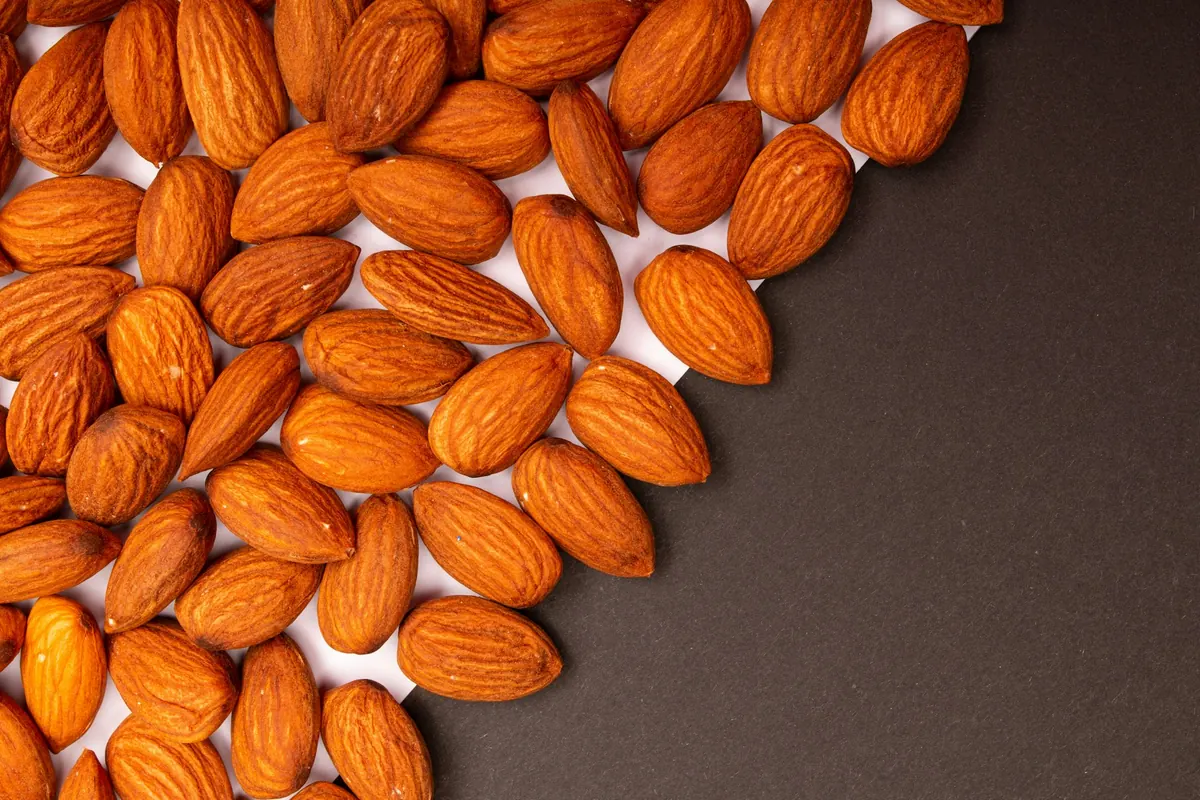
Roasted almonds piled on a white and charcoal background
Photo: Tamanna Rumee on Unsplash (Unsplash License)
01 What it does

What vitamin E does for you.

Antioxidant

Stops free radicals from forming when fats oxidize, helping protect cells1.

Immune function

Involved in immune function and cell signalling1.

Blood vessels

Helps release prostacyclin, which widens blood vessels and limits platelet clumping1.

Red blood cells

Helps form red blood cells and helps prevent unwanted clotting2.

Nerves & muscles

Severe deficiency can cause nerve damage, poor coordination and muscle weakness1.

02 How your body uses it

How your body uses vitamin E.

How your body uses vitamin E: Nuts, seeds, oils → Small intestine → Liver → α-TTP → Lipoproteins → Cell membranes. Other E forms broken down, removed Liver.01Nuts, seeds, oilsEaten with dietary fat02Small intestineNeeds fat to absorb03LiverTakes up all E forms04α-TTPPicks alpha-tocopherol05LipoproteinsCarry it in the blood06Cell membranesGuard fats from oxidationOther E formsGamma, delta, tocotrienolsbroken down, removedHow your body uses vitamin E: Nuts, seeds, oils → Small intestine → Liver → α-TTP → Lipoproteins → Cell membranes. Other E forms broken down, removed Liver.01Nuts, seeds, oilsEaten with dietary fat02Small intestineNeeds fat to absorb03LiverTakes up all E formsOther E formsGamma, delta,tocotrienols04α-TTPPicks alpha-tocopherol05LipoproteinsCarry it in the blood06Cell membranesGuard fats from oxidation

After absorption the liver takes up vitamin E and resecretes mainly alpha-tocopherol through alpha-tocopherol transfer protein, while other forms are metabolized and excreted1. Its transport follows lipoproteins, and it interacts with membrane lipids in tissues3.

03 Where to get it

Foods and other sources.

AlmondsSunflower seedsHazelnutsPeanutsSunflower oilWheat germ oilSpinachBroccoliKiwi

Foods

Food and servingAmount
Wheat germ oil, 1 tbsp20.3 mg
Sunflower seeds, dry roasted, 1 oz7.4 mg
Almonds, dry roasted, 1 oz6.8 mg
Sunflower oil, 1 tbsp5.6 mg
Hazelnuts, dry roasted, 1 oz4.3 mg
Peanut butter, 2 tbsp2.9 mg
Peanuts, dry roasted, 1 oz2.2 mg
Spinach, boiled, ½ cup1.9 mg
Broccoli, boiled, ½ cup1.2 mg
Kiwifruit, 1 medium1.1 mg

Amounts are alpha-tocopherol, the form that counts toward needs; most vitamin E in U.S. diets is gamma-tocopherol from vegetable oils1. Amounts per serving from1.

Fortified cereals

Fortified cereals and green leafy vegetables also supply meaningful amounts of alpha-tocopherol1.

Supplements

Most vitamin E-only supplements provide amounts well above the recommended intake on this page1.

04 How much you need

Your daily reference amounts.

The same reference table draws the reference lines on your charts in Ayuvo. Needs differ in pregnancy and breastfeeding, which are not covered here.

Vitamin E: daily RDA by age and sex
AgeWomenMenUpper limit
19–3015 mg15 mg1,000 mg
31–5015 mg15 mg1,000 mg
51–7015 mg15 mg1,000 mg
71+15 mg15 mg1,000 mg

RDA (Recommended Dietary Allowance) is the daily amount that meets the needs of nearly all healthy people. Per day, for adults1.

Upper limit (UL) is the most per day that is unlikely to cause harm. Applies to supplemental alpha-tocopherol (supplements and fortified foods), not vitamin E naturally in food.

  • Amounts are in mg alpha-tocopherol. 1 IU natural (d-alpha) = 0.67 mg; 1 IU synthetic (dl-alpha) = 0.45 mg.
Vitamin E reference amounts for adults aged 31–50: RDA 15 mgRDA 15 mg0Adults 31–50, per day
Below the recommended amountMeets the reference

The upper limit for vitamin E covers only part of your intake (from supplements and medicines only, not from food), so it is not drawn on this bar.

05 Balance

Too little, too much.

Signs like these have many possible causes. They are a reason to talk to a clinician, not to self-treat.

Too little

Deficiency is rare in healthy people and mainly affects those with fat-malabsorption disorders or rare inherited conditions1.

  • Nerve damage in hands and feet
  • Poor coordination (ataxia)
  • Muscle weakness
  • Damage to the retina
  • Weaker immune response

Too much

No harm has been found from vitamin E in food, but high-dose supplements may interfere with clotting; the upper limit on this page applies to supplements1.

  • Higher bleeding risk
  • Hemorrhagic stroke in some trials
  • More bleeding with blood thinners
06 Supplements

Supplement forms.

Supplements usually provide alpha-tocopherol, sometimes mixed with other tocopherols or tocotrienols1.

d-alpha-tocopherol

Natural RRR form; the synthetic dl form is only half as active by weight1.

dl-alpha-tocopherol

Synthetic all-rac form with eight stereoisomers, of which the body keeps four1.

Tocopheryl acetate

Ester form that extends shelf life and is absorbed as well as alpha-tocopherol1.

Tocopheryl succinate

Another ester form that the body hydrolyzes and absorbs efficiently1.

Supplements can interact with medicines. Talk to a clinician or pharmacist before you start one, especially at high doses.

07 Key points

Remember these five.

  1. Nuts, seeds and plant oils supply much of the vitamin E in food.
  2. You need some fat in a meal to absorb vitamin E.
  3. Natural d-alpha-tocopherol is twice as active by weight as synthetic dl-alpha.
  4. No harm has been found from vitamin E in food; concerns relate to high-dose pills.
  5. On blood thinners? Talk with a clinician about vitamin E supplements.
FAQ

Questions about vitamin E.

What is the difference between d-alpha and dl-alpha tocopherol?

d-alpha-tocopherol is the natural form, while dl-alpha-tocopherol is made synthetically. The synthetic form is a mix of eight versions, and the body only keeps some of them, so it is about half as active by weight.

Can vitamin E supplements cause bleeding?

High doses of alpha-tocopherol supplements can interfere with blood clotting, and two large trials found more hemorrhagic strokes in people taking them. The risk may be higher alongside blood-thinning medicines. Vitamin E from food has not been linked with these effects.

Do most people get enough vitamin E?

U.S. surveys suggest many diets fall below the recommended amount, though these estimates may miss oils added during cooking. Even so, clear deficiency symptoms have not been found in healthy people.

Get started

Track vitamin E in Ayuvo.

Ayuvo charts vitamin E by day, week, month and year, with the reference lines from this page, personalised by age and sex where they differ. Supplements you log in Medications count too. Free, with no account.

Coming soon to the App StoreComing soon to Google Play

Or read the code: Ayuvo is open source

Sources

Facts on this page come from these sources, checked on the dates shown. Intake numbers come from Ayuvo's shared reference table, which cites the sources marked for them.

  1. Vitamin E: Fact Sheet for Health Professionals · NIH Office of Dietary Supplements checked 2026-09-27
  2. Vitamin E: MedlinePlus Medical Encyclopedia · MedlinePlus, U.S. National Library of Medicine checked 2026-09-27
  3. Vitamin E (Alpha-Tocopherol) Metabolism and Nutrition in Chronic Kidney Disease · Antioxidants (PubMed Central) checked 2026-09-27

General information, not medical advice. This guide is for healthy adults and does not cover pregnancy, breastfeeding, children or medical conditions. It cannot diagnose or treat anything. Talk to a clinician before starting high-dose supplements, or if you think you may have too little or too much of a nutrient. Spotted an error? Email us.