1. Home
  2. Nutrients
  3. Vitamin C
Water-soluble vitamin

Vitamin C, the collagen builder

Vitamin C is a water-soluble antioxidant the body cannot make, needed for collagen, immune function and absorbing iron from plant foods1.

VitaminsTracked in mgDaily target3 sources · checked 2026-09-27

How much you need

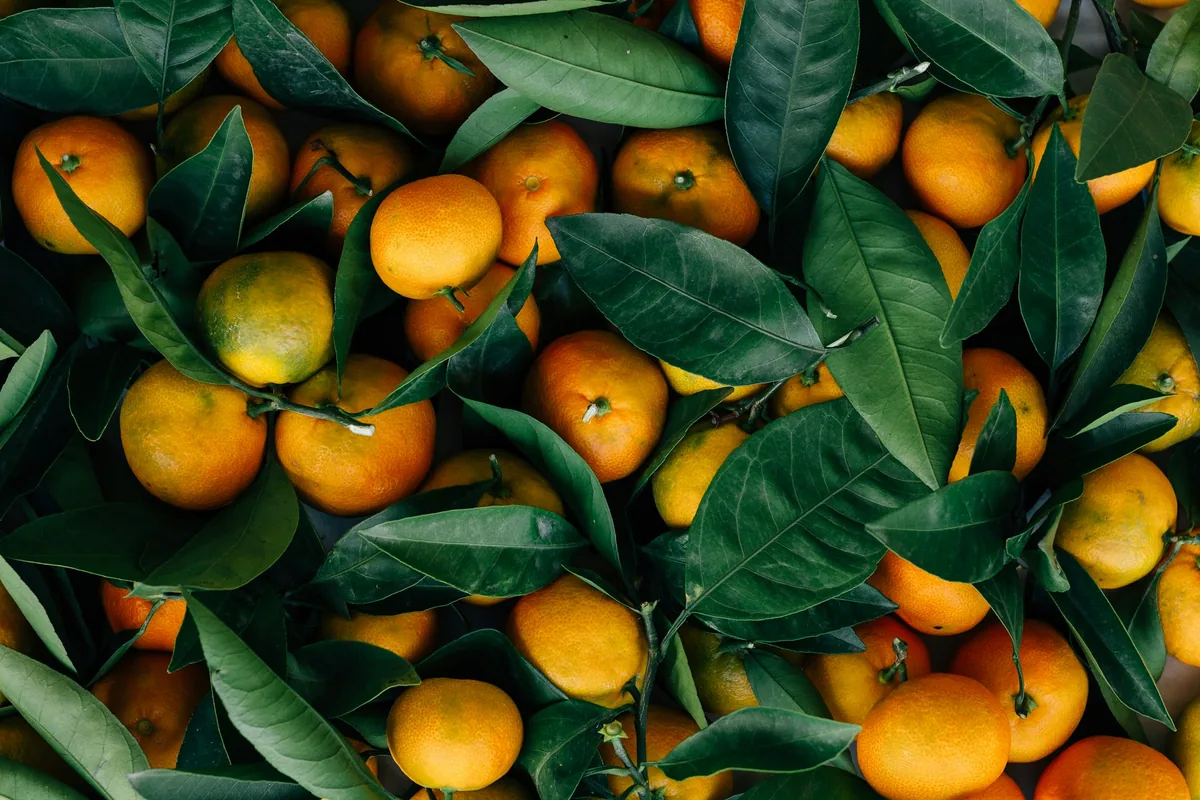
Freshly picked mandarin oranges with glossy green leaves
Photo: Erol Ahmed on Unsplash (Unsplash License)
01 What it does

What vitamin C does for you.

Builds collagen

Needed to make collagen, a protein that supports connective tissue and helps wounds heal2.

Antioxidant

Helps protect cells from free-radical damage and regenerates vitamin E1.

Plant iron uptake

Improves absorption of non-heme iron, the form found in plant foods1.

Immune function

Plays an important role in immune function1.

Carnitine & messengers

Required to make L-carnitine and certain neurotransmitters1.

02 How your body uses it

How your body uses vitamin C.

How your body uses vitamin C: Fruit & veg → Small intestine → Bloodstream → Cells & tissues → At work → Kidneys. Large doses lower absorption Small intestine.01Fruit & vegPeppers, citrus, kiwi02Small intestineActive transporter absorbs03BloodstreamLevels tightly controlled04Cells & tissuesHigh in white cells, eyes05At workCollagen, antioxidant06KidneysExcess leaves in urineLarge dosesAbsorbed less welllower absorptionHow your body uses vitamin C: Fruit & veg → Small intestine → Bloodstream → Cells & tissues → At work → Kidneys. Large doses lower absorption Small intestine.01Fruit & vegPeppers, citrus, kiwi02Small intestineActive transporter absorbsLarge dosesAbsorbed lesswell03BloodstreamLevels tightly controlled04Cells & tissuesHigh in white cells, eyes05At workCollagen, antioxidant06KidneysExcess leaves in urine

A dedicated transporter absorbs vitamin C, and the body keeps plasma and tissue levels in a tight range1. At large doses absorption falls and unused vitamin C is excreted in the urine1.

03 Where to get it

Foods and other sources.

Red pepperOrangesKiwiBroccoliStrawberriesBrussels sproutsGrapefruitTomatoesCantaloupe

Foods

Food and servingAmount
Red sweet pepper, raw, ½ cup95 mg
Orange juice, ¾ cup93 mg
Orange, 1 medium70 mg
Kiwifruit, 1 medium64 mg
Green sweet pepper, raw, ½ cup60 mg
Broccoli, cooked, ½ cup51 mg
Strawberries, sliced, ½ cup49 mg
Brussels sprouts, cooked, ½ cup48 mg
Cantaloupe, ½ cup29 mg
Potato, baked, 1 medium17 mg

Heat and long storage destroy vitamin C, and steaming or microwaving may reduce cooking losses1. Amounts per serving from1.

Fortified foods

Vitamin C is not naturally present in grains but is added to some breakfast cereals1.

Supplements

Most multivitamins contain vitamin C, and it is also sold alone or with other nutrients2.

04 How much you need

Your daily reference amounts.

The same reference table draws the reference lines on your charts in Ayuvo. Needs differ in pregnancy and breastfeeding, which are not covered here.

Vitamin C: daily RDA by age and sex
AgeWomenMenUpper limit
19–3075 mg90 mg2,000 mg
31–5075 mg90 mg2,000 mg
51–7075 mg90 mg2,000 mg
71+75 mg90 mg2,000 mg

RDA (Recommended Dietary Allowance) is the daily amount that meets the needs of nearly all healthy people. Per day, for adults1.

Upper limit (UL) is the most per day that is unlikely to cause harm. Applies to food, drinks and supplements combined.

  • People who smoke need 35 mg more vitamin C per day.
Vitamin C reference amounts for adults aged 31–50: Women 75 · Men 90 mg; Upper limit 2,000 mgWomen 75 · Men 90 mgUpper limit 2,000 mg0Adults 31–50, per day
Below the recommended amountRecommended rangeAbove the upper limit
05 Balance

Too little, too much.

Signs like these have many possible causes. They are a reason to talk to a clinician, not to self-treat.

Too little

Deficiency is rare, but very low intake for many weeks can cause scurvy, which weakens connective tissue2.

  • Fatigue
  • Swollen, bleeding gums
  • Small red or purple skin spots
  • Joint pain
  • Poor wound healing
  • Corkscrew hairs

Too much

Vitamin C has low toxicity, but high doses can cause stomach upset from unabsorbed vitamin C in the gut1.

  • Diarrhea
  • Nausea
  • Stomach cramps
  • Possible kidney stone risk
  • Worse iron overload if prone
06 Blood test

Plasma vitamin C.

Vitamin C status is usually assessed by measuring plasma vitamin C; white-blood-cell levels may be more accurate but are harder to measure reliably1.

Labs use different units and ranges. Your clinician reads a result alongside your history and other tests.

07 Supplements

Supplement forms.

Supplements usually contain ascorbic acid, which is as bioavailable as the vitamin C naturally in foods1.

Ascorbic acid

The most common form; as well absorbed as vitamin C from orange juice or broccoli1.

Mineral ascorbates

Sodium and calcium ascorbate; research has not shown any form to be better than others2.

With bioflavonoids

One study found no difference in blood levels versus plain ascorbic acid1.

Supplements can interact with medicines. Talk to a clinician or pharmacist before you start one, especially at high doses.

08 Key points

Remember these five.

  1. Your body cannot make or store much vitamin C, so regular intake from food matters.
  2. Raw fruit and vegetables keep more vitamin C than cooked or long-stored ones.
  3. Pairing vitamin C foods with beans or greens helps you absorb plant iron.
  4. People who smoke need more vitamin C than people who do not.
  5. Very large doses are absorbed less well and can upset your stomach.
FAQ

Questions about vitamin C.

Does vitamin C prevent colds?

For most people, regular vitamin C supplements do not lower the chance of catching a cold. People who take them regularly may have slightly shorter or milder colds. Starting vitamin C after symptoms begin does not appear to help.

Does cooking destroy vitamin C?

Yes, vitamin C dissolves in water and breaks down with heat, so boiling and long storage lower the amount in food. Steaming or microwaving may reduce the losses, and many rich sources are eaten raw.

Which foods have more vitamin C than an orange?

Half a cup of raw red sweet pepper has more vitamin C than a medium orange, and orange juice is similar to red pepper. Kiwifruit, green pepper, broccoli and strawberries are also rich sources.

Get started

Track vitamin C in Ayuvo.

Ayuvo charts vitamin C by day, week, month and year, with the reference lines from this page, personalised by age and sex where they differ. Supplements you log in Medications count too. Free, with no account.

Coming soon to the App StoreComing soon to Google Play

Or read the code: Ayuvo is open source

Sources

Facts on this page come from these sources, checked on the dates shown. Intake numbers come from Ayuvo's shared reference table, which cites the sources marked for them.

  1. Vitamin C: Fact Sheet for Health Professionals · NIH Office of Dietary Supplements checked 2026-09-27
  2. Vitamin C: Fact Sheet for Consumers · NIH Office of Dietary Supplements checked 2026-09-27
  3. Vitamin C: MedlinePlus Medical Encyclopedia · MedlinePlus, U.S. National Library of Medicine checked 2026-09-27

General information, not medical advice. This guide is for healthy adults and does not cover pregnancy, breastfeeding, children or medical conditions. It cannot diagnose or treat anything. Talk to a clinician before starting high-dose supplements, or if you think you may have too little or too much of a nutrient. Spotted an error? Email us.