1. Home
  2. Nutrients
  3. Riboflavin
Water-soluble B vitamin

Riboflavin, the yellow B vitamin

Riboflavin (vitamin B2) is a water-soluble B vitamin that forms two coenzymes, FMN and FAD, which help produce energy and support cell growth, development and function1.

VitaminsTracked in mgDaily target3 sources · checked 2026-09-27

How much you need

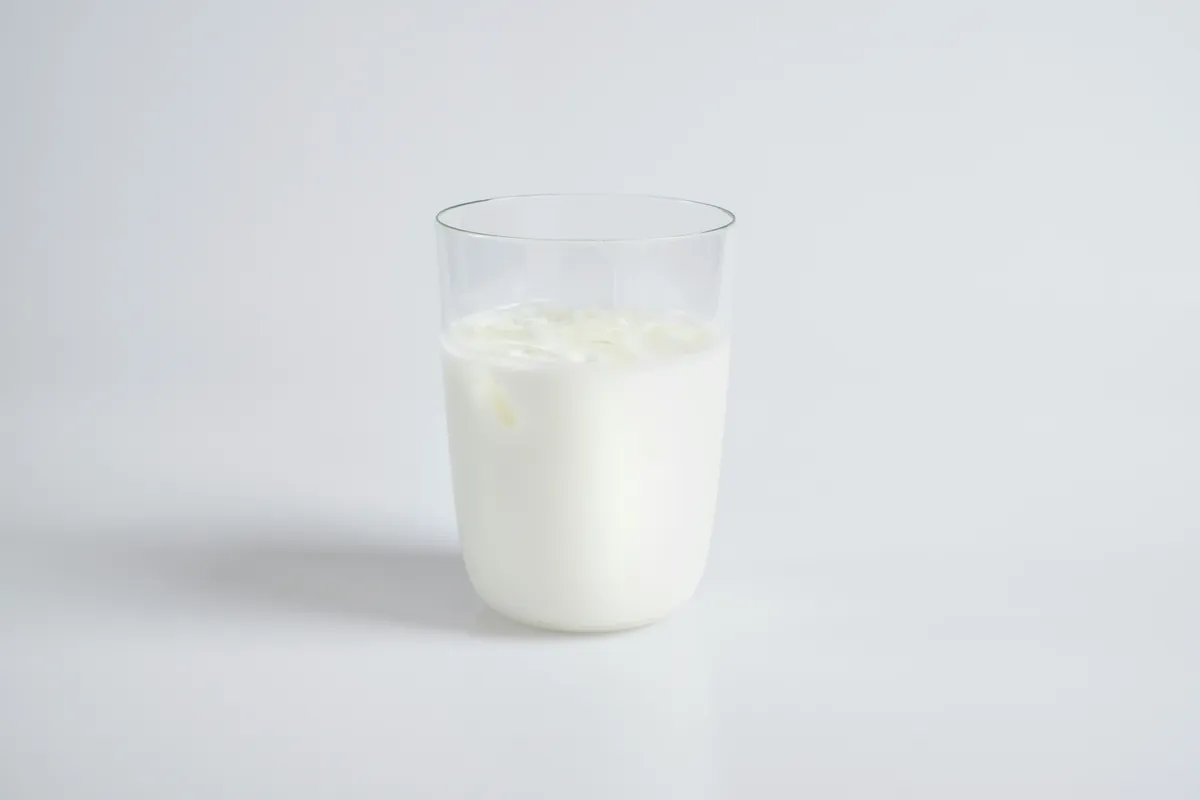
A clear glass of milk on a pale grey background
Photo: an_vision on Unsplash (Unsplash License)
01 What it does

What riboflavin does for you.

Energy from food

As part of FMN and FAD, riboflavin helps turn the food you eat into energy2.

Cell growth & function

Needed for the growth, development and function of the cells in your body2.

Fat & drug metabolism

Its coenzymes take part in breaking down fats, drugs and steroids1.

Partner to B6 and niacin

FAD is needed to make niacin from tryptophan, and FMN to turn vitamin B6 into its active form1.

Blood

Helps keep homocysteine in the blood at normal levels1 and helps in red blood cell production3.

02 How your body uses it

How your body uses riboflavin.

How your body uses riboflavin: Food → Upper small intestine → Bloodstream → Cells → At work → Kidneys. Large doses limit uptake Upper small intestine.01FoodMostly as FAD and FMN02Upper small intestineAbsorbs most riboflavin03BloodstreamCarries it to tissues04CellsFMN and FAD coenzymes05At workEnergy, growth, metabolism06KidneysExcess leaves in urineLarge dosesLittle extra is absorbedlimit uptakeHow your body uses riboflavin: Food → Upper small intestine → Bloodstream → Cells → At work → Kidneys. Large doses limit uptake Upper small intestine.01FoodMostly as FAD and FMN02Upper smallintestineAbsorbs most riboflavinLarge dosesLittle extrais absorbed03BloodstreamCarries it to tissues04CellsFMN and FAD coenzymes05At workEnergy, growth, metabolism06KidneysExcess leaves in urine

More than 90% of the riboflavin in food is in the form of FAD or FMN, and most of it is absorbed in the upper small intestine1. The body stores only small amounts, in the liver, heart and kidneys; excess is either not absorbed or leaves in urine1.

03 Where to get it

Foods and other sources.

MilkYogurtCheeseEggsBeefLiverFortified cerealAlmondsMushroomsSpinach

Vegetarian

Food and servingAmount
Breakfast cereal, fortified, 1 serving1.3 mg
Oats, instant, fortified, cooked, 1 cup1.1 mg
Yogurt, plain, fat free, 1 cup0.6 mg
Milk, 2% fat, 1 cup0.5 mg
Almonds, dry roasted, 1 oz0.3 mg
Cheese, Swiss, 3 oz0.3 mg
Mushrooms, portabella, grilled, ½ cup0.2 mg
Quinoa, cooked, 1 cup0.2 mg

Non-vegetarian

Food and servingAmount
Beef liver, pan fried, 3 oz2.9 mg
Beef tenderloin steak, grilled, 3 oz0.4 mg
Clams, cooked, 3 oz0.4 mg
Egg, whole, scrambled, 1 large0.2 mg
Rotisserie chicken, breast meat, 3 oz0.2 mg
Salmon, pink, canned, 3 oz0.2 mg

Riboflavin dissolves in water, so boiling loses about twice as much as steaming or microwaving, and light breaks it down, which is why milk is not usually sold in clear glass1. Amounts per serving from1.

Fortified foods

Grains and cereals are fortified with riboflavin in the U.S. and many other countries1.

Gut bacteria

Bacteria in the large intestine make some free riboflavin that can be absorbed, in amounts that depend on the diet1.

Supplements

Found in multivitamins, B-complex supplements and riboflavin-only products2.

04 How much you need

Your daily reference amounts.

The same reference table draws the reference lines on your charts in Ayuvo. Needs differ in pregnancy and breastfeeding, which are not covered here.

Riboflavin: daily RDA by age and sex
AgeWomenMen
19–301.1 mg1.3 mg
31–501.1 mg1.3 mg
51–701.1 mg1.3 mg
71+1.1 mg1.3 mg

RDA (Recommended Dietary Allowance) is the daily amount that meets the needs of nearly all healthy people. Per day, for adults1.

  • No upper limit is set because no adverse effects from high intakes from food or supplements have been reported.
Riboflavin reference amounts for adults aged 31–50: Women 1.1 · Men 1.3 mgWomen 1.1 · Men 1.3 mg0Adults 31–50, per day
Below the recommended amountMeets the reference
05 Balance

Too little, too much.

Signs like these have many possible causes. They are a reason to talk to a clinician, not to self-treat.

Too little

Deficiency is extremely rare in the U.S., and people who have it usually lack other nutrients too; vegans and people who eat little dairy are more at risk1.

  • Sores at the corners of the mouth
  • Swollen, cracked lips
  • Sore throat
  • Itchy, red eyes
  • Skin disorders and hair loss
  • Anemia and cataracts if severe and long-lasting

Too much

No adverse effects have been reported from high intakes from food or supplements, possibly because the gut absorbs only limited amounts, so no upper limit is set1.

  • No upper limit set
  • Absorption is limited
  • Excess leaves in urine
  • Discoloured urine with supplements
06 Blood test

EGRAC (red blood cell enzyme test).

Riboflavin status is not routinely measured in healthy people. The erythrocyte glutathione reductase activity coefficient (EGRAC) compares a red blood cell enzyme with and without added FAD; it is a stable, sensitive measure, but the best cutoffs are uncertain1.

EGRACWhat it may mean
1.2 or lessUsually read as adequate
1.2–1.4Marginal deficiency
Above 1.4Deficiency

Labs use different units and ranges. Your clinician reads a result alongside your history and other tests.

07 Supplements

Supplement forms.

Riboflavin is in many multivitamins and B-complex products and is sold on its own; most supplements use the free form1.

Riboflavin (free form)

The form in most supplements; free riboflavin is about as bioavailable as the FMN and FAD in food1.

Riboflavin 5'-phosphate

Another name for FMN, one of the two coenzyme forms; used in some supplements1.

B-complex products

Some hold much more riboflavin than recommended, but the body cannot absorb large amounts at once2.

Supplements can interact with medicines. Talk to a clinician or pharmacist before you start one, especially at high doses.

08 Key points

Remember these five.

  1. Riboflavin is vitamin B2, part of the FMN and FAD coenzymes that help turn food into energy.
  2. Milk, yogurt, eggs, meat and fortified grains are major sources.
  3. Light and boiling water destroy riboflavin, so steaming and opaque packaging help keep it.
  4. People who are vegan or eat little dairy are more likely to fall short.
  5. No upper limit is set, and extra riboflavin that is absorbed leaves in urine.
FAQ

Questions about riboflavin.

Why do B vitamin supplements turn urine bright yellow?

Riboflavin is a naturally yellow, fluorescent compound. When a supplement provides more than the body needs, the extra that is absorbed leaves in urine and can colour it bright yellow. Discoloured urine is described as a minimal side effect.

Can vegans get enough riboflavin?

Vegans and people who eat little dairy are more likely to fall short, because milk, yogurt, cheese and eggs are major sources. Fortified cereals and oats, almonds, mushrooms, spinach and quinoa also provide riboflavin.

Does riboflavin help with migraines?

Some small studies found fewer migraine attacks with high-dose riboflavin supplements and others did not. Some headache specialist groups list it as a possible option for prevention because side effects are few. Anyone considering it should talk to a clinician first.

Get started

Track riboflavin in Ayuvo.

Food logging does not estimate riboflavin, so Ayuvo tracks it from supplements you log in Medications, and from Apple Health on iPhone or Health Connect on Android when another app saves it there. Charts by day, week, month and year use the reference lines from this page, personalised by age and sex where they differ. Free, with no account.

Coming soon to the App StoreComing soon to Google Play

Or read the code: Ayuvo is open source

Sources

Facts on this page come from these sources, checked on the dates shown. Intake numbers come from Ayuvo's shared reference table, which cites the sources marked for them.

  1. Riboflavin: Fact Sheet for Health Professionals · NIH Office of Dietary Supplements checked 2026-09-27
  2. Riboflavin: Fact Sheet for Consumers · NIH Office of Dietary Supplements checked 2026-09-27
  3. Riboflavin: MedlinePlus Medical Encyclopedia · MedlinePlus, U.S. National Library of Medicine checked 2026-09-27

General information, not medical advice. This guide is for healthy adults and does not cover pregnancy, breastfeeding, children or medical conditions. It cannot diagnose or treat anything. Talk to a clinician before starting high-dose supplements, or if you think you may have too little or too much of a nutrient. Spotted an error? Email us.