Is pantothenic acid the same as vitamin B5?
Yes. Pantothenic acid is vitamin B5. In supplements it often appears as calcium pantothenate or pantethine, and in the body most of it becomes coenzyme A.
Pantothenic acid, also called vitamin B5, is a water-soluble B vitamin the body uses to make coenzyme A, which it needs to build and break down fats1.
Helps turn the food you eat into the energy you need2.
Its main job is making coenzyme A (CoA), which moves acetyl and acyl groups in many reactions1.
CoA is essential for both making and breaking down fatty acids1.
Also used to make acyl carrier protein, whose main role is building fatty acids1.
Helps the body produce hormones and cholesterol3.
About 85% of the pantothenic acid in food is CoA or phosphopantetheine, which digestive enzymes turn into free pantothenic acid before it is absorbed1. Red blood cells carry it through the body, and most of it in tissues is in the form of CoA1.
| Food and serving | Amount |
|---|---|
| Breakfast cereal, fortified with 100% of the DV | 5 mg |
| Shiitake mushrooms, cooked, ½ cup | 2.6 mg |
| Sunflower seeds, ¼ cup | 2.4 mg |
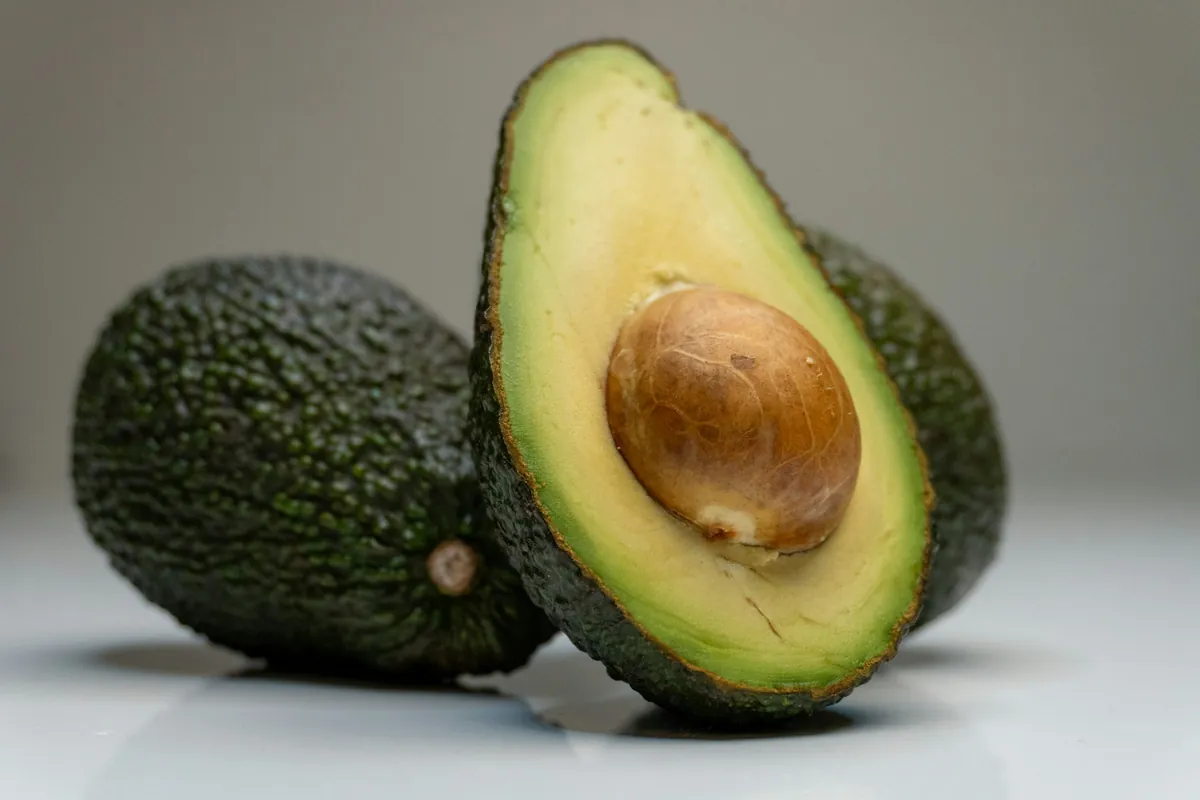
| Avocado, raw, ½ | 1.0 mg |
| Milk, 2%, 1 cup | 0.9 mg |
| Potato, russet, baked, 1 medium | 0.7 mg |
| Broccoli, boiled, ½ cup | 0.5 mg |
| Food and serving | Amount |
|---|---|
| Beef liver, boiled, 3 oz | 8.3 mg |
| Chicken breast, skinless, roasted, 3 oz | 1.3 mg |
| Tuna, bluefin, cooked, 3 oz | 1.2 mg |
| Egg, hard boiled, 1 large | 0.7 mg |
| Ground beef, 85% lean, broiled, 3 oz | 0.6 mg |
Almost all foods contain some pantothenic acid, but processing can remove 20% to almost 80% of it, and the body absorbs about half of what food provides1. Amounts per serving from1.
The same reference table draws the reference lines on your charts in Ayuvo. Needs differ in pregnancy and breastfeeding, which are not covered here.
| Age | Women | Men |
|---|---|---|
| 19–30 | 5 mg | 5 mg |
| 31–50 | 5 mg | 5 mg |
| 51–70 | 5 mg | 5 mg |
| 71+ | 5 mg | 5 mg |
AI (Adequate Intake) is used when there is not enough evidence for an RDA: an amount assumed to be enough. Per day, for adults1.
Signs like these have many possible causes. They are a reason to talk to a clinician, not to self-treat.
Deficiency is rare except in severe malnutrition, and it usually comes with other nutrient deficiencies1.
No upper limit is set because no toxicity has been reported in humans, but very large supplement doses can upset the stomach1.
Pantothenic acid comes alone, in B-complex supplements and in some multivitamins, and no study has compared how well the different forms are absorbed1.
The most common form in supplements1.
Made of two pantetheine units; in small trials, large amounts were linked with lower blood lipids, which plain pantothenic acid does not appear to show1.
Research has not shown that any form of pantothenic acid is better than the others2.
Supplements can interact with medicines. Talk to a clinician or pharmacist before you start one, especially at high doses.
Yes. Pantothenic acid is vitamin B5. In supplements it often appears as calcium pantothenate or pantethine, and in the body most of it becomes coenzyme A.
Small trials found that large amounts of pantethine, a form of pantothenic acid, were linked with lower triglycerides and LDL cholesterol, but pantothenic acid itself does not seem to have the same effect. More research is needed, including on how it adds to a heart-healthy diet.
No toxicity has been reported in humans, so no upper limit is set. Very large supplement doses, around 10 grams a day, have caused mild diarrhea and stomach upset.
Food logging does not estimate pantothenic acid, so Ayuvo tracks it from supplements you log in Medications, and from Apple Health on iPhone or Health Connect on Android when another app saves it there. Charts by day, week, month and year use the reference lines from this page, personalised by age and sex where they differ. Free, with no account.
Or read the code: Ayuvo is open source
Facts on this page come from these sources, checked on the dates shown. Intake numbers come from Ayuvo's shared reference table, which cites the sources marked for them.
General information, not medical advice. This guide is for healthy adults and does not cover pregnancy, breastfeeding, children or medical conditions. It cannot diagnose or treat anything. Talk to a clinician before starting high-dose supplements, or if you think you may have too little or too much of a nutrient. Spotted an error? Email us.