1. Home
  2. Nutrients
  3. Niacin
Water-soluble B vitamin

Niacin, the energy coenzyme vitamin

Niacin (vitamin B3) is a water-soluble B vitamin that the body turns into NAD, a coenzyme more than 400 enzymes need, mainly to release energy from food1.

VitaminsTracked in mgDaily target4 sources · checked 2026-09-27

How much you need

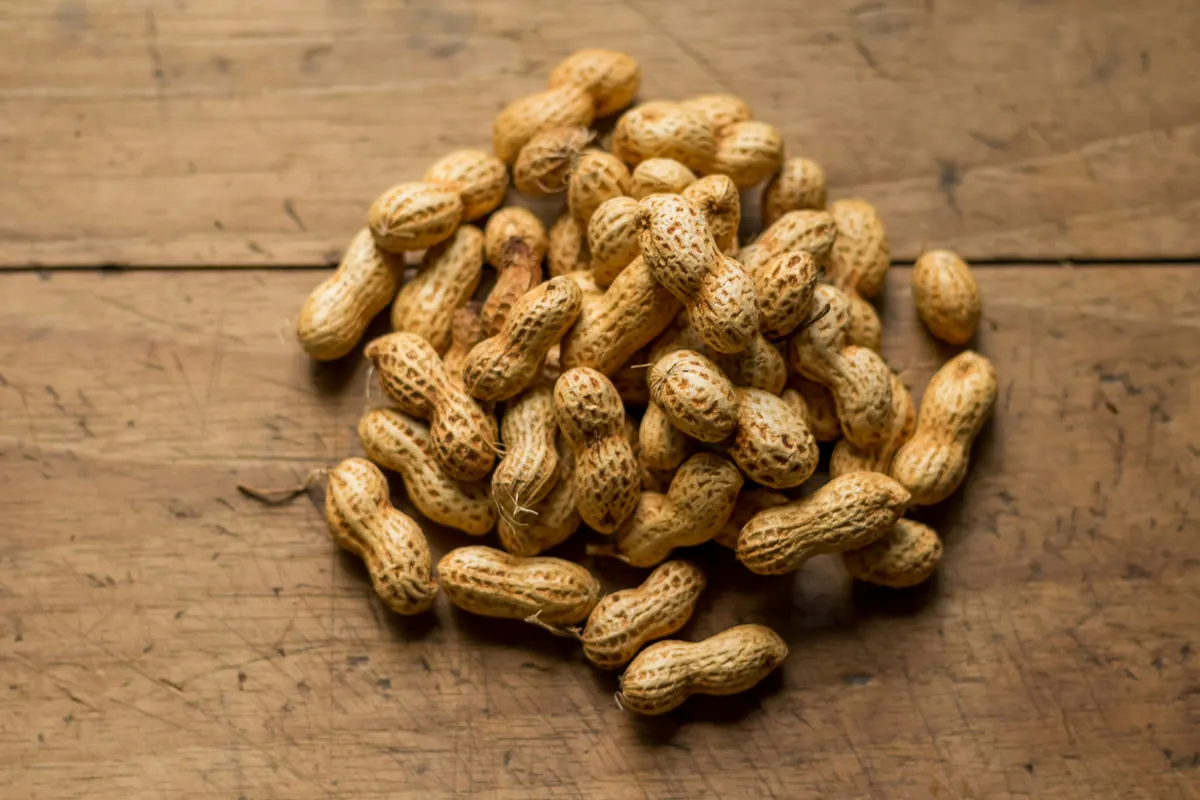
A small pile of peanuts in their shells on a rustic wooden table
Photo: Isai Dzib on Unsplash (Unsplash License)
01 What it does

What niacin does for you.

Energy from food

NAD helps move the energy in carbohydrates, fats and protein into ATP, the cell’s energy currency1.

DNA & gene control

NAD is needed by enzymes that maintain the genome, control gene expression and support cell communication1.

Builds fats

NADP, the second active form, enables the making of cholesterol and fatty acids1.

Antioxidant defence

NADP plays a critical role in keeping up cells’ antioxidant function1.

Skin, gut & nerves

Niacin helps the digestive system, skin and nerves work3.

02 How your body uses it

How your body uses niacin.

How your body uses niacin: Food → Small intestine → Cells → NAD and NADP → At work → Liver → Urine. Tryptophan also makes NAD Cells.01FoodNicotinic acid,nicotinamide, NAD02Small intestineAbsorbs nearly all of it03CellsTurned into NAD04NAD and NADPActive coenzymes05At workEnergy, DNA upkeep, fats06LiverMethylates the excess07UrineMetabolites leave thebodyTryptophanAmino acid in proteinalso makes NADHow your body uses niacin: Food → Small intestine → Cells → NAD and NADP → At work → Liver → Urine. Tryptophan also makes NAD Cells.01FoodNicotinic acid,nicotinamide, NAD02Small intestineAbsorbs nearly all of it03CellsTurned into NADTryptophanAmino acid inprotein04NAD and NADPActive coenzymes05At workEnergy, DNA upkeep, fats06LiverMethylates the excess07UrineMetabolites leave the body

NAD and NADP in food are turned into nicotinamide in the gut, niacin is absorbed mainly in the small intestine, and every tissue converts it into NAD1. The liver also makes NAD from some tryptophan and methylates excess niacin into metabolites that leave in urine1.

03 Where to get it

Foods and other sources.

ChickenTurkeyTunaSalmonBeefPeanutsBrown ricePotatoesEnriched breadFortified cereal

Vegetarian

Food and servingAmount
Marinara sauce, ready to serve, 1 cup10.3 mg
Rice, brown, cooked, 1 cup5.2 mg
Peanuts, dry roasted, 1 oz4.2 mg
Breakfast cereal, fortified with 25% of the Daily Value4.0 mg
Rice, white, enriched, cooked, 1 cup2.3 mg
Potato (russet), baked, 1 medium2.3 mg
Sunflower seeds, dry roasted, 1 oz2.0 mg

Non-vegetarian

Food and servingAmount
Beef liver, pan fried, 3 oz14.9 mg
Chicken breast, grilled, 3 oz10.3 mg
Turkey breast, roasted, 3 oz10.0 mg
Salmon, sockeye, cooked, 3 oz8.6 mg
Tuna, light, canned in water, 3 oz8.6 mg
Pork tenderloin, roasted, 3 oz6.3 mg

Amounts are niacin alone and do not include tryptophan, part of which the body turns into niacin. Niacin in some grains is bound and only partly available, while niacin added to enriched foods is readily absorbed1. Amounts per serving from1.

Enriched & fortified foods

Many breads and cereals have added niacin, in a free form that is highly bioavailable1.

Tryptophan in protein

The liver can turn some tryptophan from protein into NAD, but how efficiently varies a lot between people1.

Supplements

In multivitamins, B-complex and niacin-only products; some niacin-only products hold far more than the recommended amount1.

04 How much you need

Your daily reference amounts.

The same reference table draws the reference lines on your charts in Ayuvo. Needs differ in pregnancy and breastfeeding, which are not covered here.

Niacin: daily RDA by age and sex
AgeWomenMenUpper limit
19–3014 mg16 mg35 mg
31–5014 mg16 mg35 mg
51–7014 mg16 mg35 mg
71+14 mg16 mg35 mg

RDA (Recommended Dietary Allowance) is the daily amount that meets the needs of nearly all healthy people. Per day, for adults14.

Upper limit (UL) is the most per day that is unlikely to cause harm. Applies only to niacin from supplements and fortified foods (nicotinic acid and nicotinamide), not niacin naturally in food.

  • Amounts are in mg niacin equivalents (NE); 1 mg NE equals 1 mg niacin or 60 mg of the amino acid tryptophan.
Niacin reference amounts for adults aged 31–50: Women 14 · Men 16 mgWomen 14 · Men 16 mg0Adults 31–50, per day
Below the recommended amountMeets the reference

The upper limit for niacin covers only part of your intake (from supplements and medicines only, not from food), so it is not drawn on this bar.

05 Balance

Too little, too much.

Signs like these have many possible causes. They are a reason to talk to a clinician, not to self-treat.

Too little

Severe deficiency causes pellagra, now uncommon in industrialized countries and mostly seen with very limited diets low in niacin and protein1.

  • Rough, sunburn-like rash in sunlight
  • Bright red tongue
  • Vomiting, constipation or diarrhea
  • Depression and apathy
  • Headache and fatigue
  • Memory loss

Too much

Niacin naturally in food has no reported adverse effects, but nicotinic acid in supplements often causes flushing, and very high doses can cause serious side effects1.

  • Flushing, burning and itching skin
  • Headache, rash and dizziness
  • Low blood pressure
  • Higher blood sugar
  • Nausea, heartburn, stomach pain
  • Liver damage with long-term high doses
06 Urine test

Urinary niacin metabolites.

Niacin levels in the blood are not reliable indicators of status. The most sensitive measure is a urine test: daily excretion of two methylated metabolites, N1-methylnicotinamide and N1-methyl-2-pyridone-5-carboxamide, in adults1.

Both metabolites in urineWhat it may mean
More than 17.5 µmol a dayAdequate niacin status
5.8–17.5 µmol a dayLow niacin status
Less than 5.8 µmol a dayDeficient niacin status

Labs use different units and ranges. Your clinician reads a result alongside your history and other tests.

07 Supplements

Supplement forms.

Niacin comes in multivitamins, B-complex and niacin-only supplements, and nicotinic acid and nicotinamide are the two most common forms1.

Nicotinic acid

Can cause skin flushing above nutritional needs; some are sold as extended or timed release to lessen it1.

Nicotinamide (niacinamide)

Does not cause flushing and has fewer side effects than nicotinic acid, starting at much higher doses1.

Inositol hexanicotinate

Often labelled flush free; on average about 30% less of its niacin is absorbed1.

Nicotinamide riboside

A niacin-like compound sold as a supplement but not labelled as a source of niacin1.

Supplements can interact with medicines. Talk to a clinician or pharmacist before you start one, especially at high doses.

08 Key points

Remember these five.

  1. Niacin is vitamin B3; the body turns it into NAD and NADP, coenzymes that hundreds of enzymes use.
  2. Poultry, fish and meat are rich sources; peanuts, grains and enriched breads add more.
  3. The body can also make some niacin from tryptophan, an amino acid in protein.
  4. The upper limit applies to niacin from supplements and fortified foods, not niacin naturally in food.
  5. Nicotinic acid supplements can cause flushing, and very high doses are a medicine used only under medical supervision.
FAQ

Questions about niacin.

What is a niacin flush?

Nicotinic acid, one form of niacin in supplements, widens small blood vessels in the skin. The face, arms and chest turn red and can burn, tingle or itch, usually within about 30 minutes. It is considered unpleasant rather than toxic, and nicotinamide does not cause it.

What are niacin equivalents?

Reference amounts for niacin are given in niacin equivalents (NE), which count both the niacin you eat and the niacin your body can make from tryptophan, an amino acid in protein. Food tables usually list niacin alone, so they understate the total.

Does niacin lower the risk of heart disease?

Prescription-strength nicotinic acid can improve blood cholesterol and triglyceride levels, but large trials found it did not lower the risk of heart attack or stroke, and it has notable side effects. Experts do not recommend it alongside statins, and very high doses are taken only with medical approval and supervision.

Get started

Track niacin in Ayuvo.

Food logging does not estimate niacin, so Ayuvo tracks it from supplements you log in Medications, and from Apple Health on iPhone or Health Connect on Android when another app saves it there. Charts by day, week, month and year use the reference lines from this page, personalised by age and sex where they differ. Free, with no account.

Coming soon to the App StoreComing soon to Google Play

Or read the code: Ayuvo is open source

Sources

Facts on this page come from these sources, checked on the dates shown. Intake numbers come from Ayuvo's shared reference table, which cites the sources marked for them.

  1. Niacin: Fact Sheet for Health Professionals · NIH Office of Dietary Supplements checked 2026-09-27
  2. Niacin: Fact Sheet for Consumers · NIH Office of Dietary Supplements checked 2026-09-27
  3. Niacin: MedlinePlus Medical Encyclopedia · MedlinePlus, U.S. National Library of Medicine checked 2026-09-27
  4. Dietary Reference Intakes tables: Reference values for vitamins · Health Canada checked 2026-09-27

General information, not medical advice. This guide is for healthy adults and does not cover pregnancy, breastfeeding, children or medical conditions. It cannot diagnose or treat anything. Talk to a clinician before starting high-dose supplements, or if you think you may have too little or too much of a nutrient. Spotted an error? Email us.