1. Home
  2. Nutrients
  3. Molybdenum
Trace mineral

Molybdenum, the enzyme helper

Molybdenum is an essential trace mineral that the body builds into molybdopterin, a cofactor four enzymes need to break down sulfur-containing amino acids, purines and some drugs and toxins1.

MineralsTracked in mcgDaily target2 sources · checked 2026-09-27

How much you need

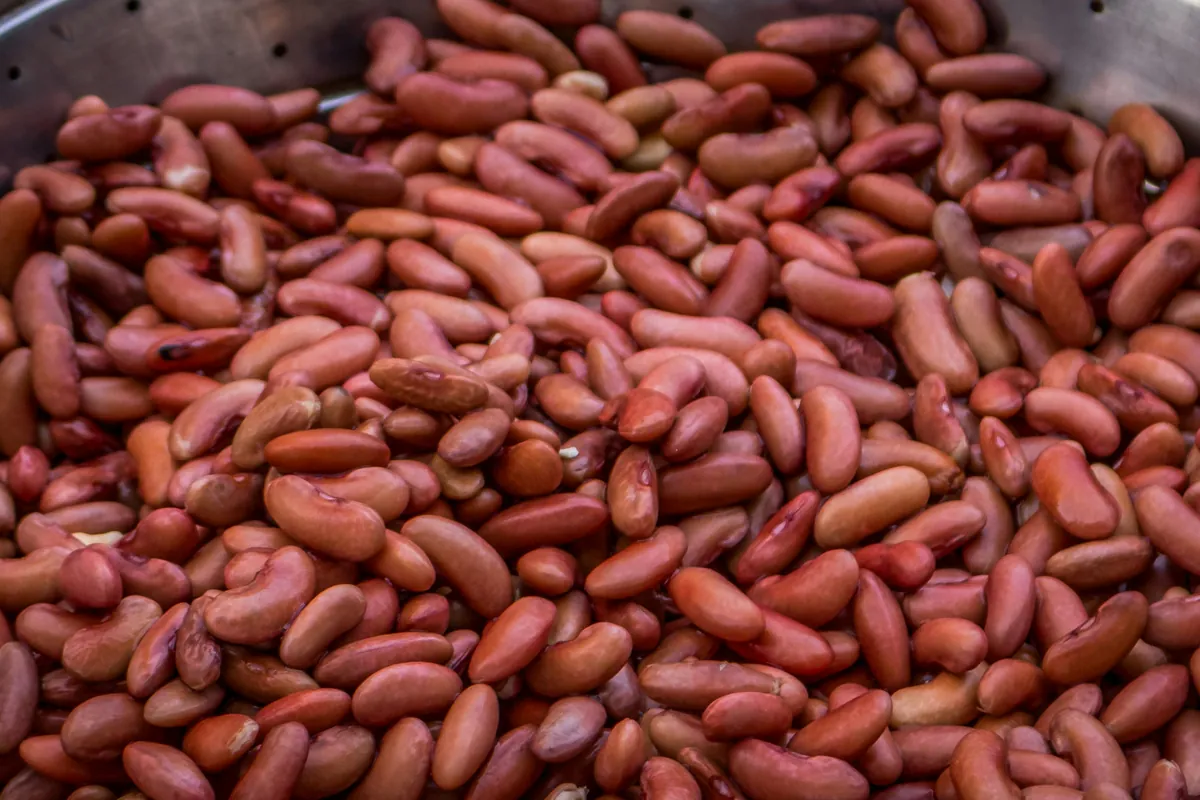
A steel bowl filled with dried red kidney beans
Photo: Zoshua Colah on Unsplash (Unsplash License)
01 What it does

What molybdenum does for you.

Molybdopterin cofactor

Part of molybdopterin, a cofactor the body makes and four enzymes need in order to work1.

Sulfur amino acids

Sulfite oxidase uses it to help break down sulfur-containing amino acids1.

DNA building blocks

Helps break down purines and pyrimidines, the building blocks of genetic material such as DNA1.

Drugs & toxins

Xanthine oxidase, aldehyde oxidase and mARC also help process medicines and toxins1.

Stored in organs

Kept as molybdopterin in the liver, kidneys, adrenal glands and bone1.

02 How your body uses it

How your body uses molybdenum.

How your body uses molybdenum: Food → Gut → Bloodstream → Molybdopterin → Four enzymes → Kidneys. Soil and water set the amount Food.01FoodLegumes, grains, nuts02GutAdults absorb 40–100%03BloodstreamCirculates in plasma04MolybdopterinCofactor made by the body05Four enzymesSulfite, xanthine, aldehydeoxidase, mARC06KidneysExcrete the surplus in urineSoil and waterWhere food is grownset the amountHow your body uses molybdenum: Food → Gut → Bloodstream → Molybdopterin → Four enzymes → Kidneys. Soil and water set the amount Food.01FoodLegumes, grains, nutsSoil andwaterWhere food isgrown02GutAdults absorb 40–100%03BloodstreamCirculates in plasma04MolybdopterinCofactor made by the body05Four enzymesSulfite, xanthine,aldehyde oxidase, mARC06KidneysExcrete the surplus inurine

The molybdenum in food depends on the soil and irrigation water where it grew1. Adults absorb 40% to 100% of what they eat, though where in the gut is not known; the body builds it into molybdopterin, stored in the liver, kidneys, adrenal glands and bone, and the kidneys regulate levels by excreting the rest1.

03 Where to get it

Foods and other sources.

Black-eyed peasLima beansWhole grainsNutsPotatoesBananasLeafy greensMilkYogurtBeef liver

Vegetarian

Food and servingAmount
Black-eyed peas, boiled, ½ cup288 µg
Lima beans, boiled, ½ cup104 µg
Yogurt, plain, low-fat, 1 cup26 µg
Milk, 2% milkfat, 1 cup22 µg
Potato, baked, flesh and skin, 1 medium16 µg
Banana, 1 medium15 µg
Bread, whole wheat, 1 slice12 µg
Peanuts, dry roasted, 1 oz11 µg

Non-vegetarian

Food and servingAmount
Beef liver, pan fried, 3 oz104 µg
Chicken, light meat, roasted, 3 oz9 µg
Egg, soft-boiled, 1 large9 µg
Beef, ground, pan fried, 3 oz8 µg
Tuna, light, canned in oil, 3 oz5 µg

Food values depend on the soil and water where a food was grown, and few foods have been measured, so these amounts are approximate1. Amounts per serving from1.

Drinking water

Drinking water generally contains only small amounts of molybdenum1.

Supplements

Some multivitamin/mineral supplements contain molybdenum, and it is also sold alone or with other minerals2.

04 How much you need

Your daily reference amounts.

The same reference table draws the reference lines on your charts in Ayuvo. Needs differ in pregnancy and breastfeeding, which are not covered here.

Molybdenum: daily RDA by age and sex
AgeWomenMenUpper limit
19–3045 mcg45 mcg2,000 mcg
31–5045 mcg45 mcg2,000 mcg
51–7045 mcg45 mcg2,000 mcg
71+45 mcg45 mcg2,000 mcg

RDA (Recommended Dietary Allowance) is the daily amount that meets the needs of nearly all healthy people. Per day, for adults1.

Upper limit (UL) is the most per day that is unlikely to cause harm. Applies to food, drinks and supplements combined.

Molybdenum reference amounts for adults aged 31–50: RDA 45 mcg; Upper limit 2,000 mcgRDA 45 mcgUpper limit 2,000 mcg0Adults 31–50, per day
Below the recommended amountRecommended rangeAbove the upper limit
05 Balance

Too little, too much.

Signs like these have many possible causes. They are a reason to talk to a clinician, not to self-treat.

Too little

Deficiency from diet has not been reported; it is seen with a rare genetic disorder, molybdenum cofactor deficiency, and in one case of intravenous feeding without molybdenum1.

  • Not seen from food alone
  • Rare genetic cofactor deficiency
  • Seizures and brain damage in affected newborns
  • Fast heart rate and breathing (IV case)
  • Headache and night blindness (IV case)

Too much

A diet high in molybdenum usually poses no risk because the kidneys quickly excrete the extra, but very high intakes and industrial exposure have been linked with problems1.

  • Achy joints
  • Gout-like symptoms
  • High blood uric acid
  • Mostly with mining or metalwork exposure
06 Supplements

Supplement forms.

Molybdenum comes alone, with other minerals and in multivitamin/mineral products; no studies have compared how well the different forms are absorbed1.

Sodium molybdate

A mineral salt form listed on supplement labels1.

Molybdenum glycinate

A glycine-bound form listed among supplement forms1.

Amino acid chelate

Another chelated form used in supplements1.

Molybdenum chloride

A further form found in dietary supplements1.

Supplements can interact with medicines. Talk to a clinician or pharmacist before you start one, especially at high doses.

07 Key points

Remember these five.

  1. Molybdenum works through molybdopterin, a cofactor that four enzymes need.
  2. Legumes such as black-eyed peas and lima beans are the richest food sources.
  3. Most people get enough from a varied diet; deficiency from food has not been reported.
  4. The kidneys control levels by excreting extra molybdenum in urine.
  5. There is no routine blood test for molybdenum status.
FAQ

Questions about molybdenum.

Do most people need a molybdenum supplement?

Most people in the United States get enough molybdenum from the foods they eat. Deficiency has only been seen with a rare genetic disorder and in one person fed intravenously without molybdenum. It is also included in many multivitamin/mineral products.

Can you get too much molybdenum from food?

Molybdenum from food and drinks is not known to cause harm, because the kidneys quickly excrete the extra. Achy joints, gout-like symptoms and high uric acid have been reported with very high exposure, such as in mining and metalworking or in areas with very molybdenum-rich soil.

Why do food tables list so few foods for molybdenum?

The U.S. Department of Agriculture's FoodData Central does not list molybdenum, and the amount in a food depends on the soil and water where it was grown. Published values are therefore limited and approximate.

Get started

Track molybdenum in Ayuvo.

Food logging does not estimate molybdenum, so Ayuvo tracks it from supplements you log in Medications, and from Apple Health on iPhone or Health Connect on Android when another app saves it there. Charts by day, week, month and year use the reference lines from this page, personalised by age and sex where they differ. Free, with no account.

Coming soon to the App StoreComing soon to Google Play

Or read the code: Ayuvo is open source

Sources

Facts on this page come from these sources, checked on the dates shown. Intake numbers come from Ayuvo's shared reference table, which cites the sources marked for them.

  1. Molybdenum: Fact Sheet for Health Professionals · NIH Office of Dietary Supplements checked 2026-09-27
  2. Molybdenum: Fact Sheet for Consumers · NIH Office of Dietary Supplements checked 2026-09-27

General information, not medical advice. This guide is for healthy adults and does not cover pregnancy, breastfeeding, children or medical conditions. It cannot diagnose or treat anything. Talk to a clinician before starting high-dose supplements, or if you think you may have too little or too much of a nutrient. Spotted an error? Email us.