1. Home
  2. Nutrients
  3. Calcium
Essential mineral

Calcium, the bone builder

Calcium is the most abundant mineral in your body; almost all of it is stored in bones and teeth, and the rest helps muscles move and nerves send messages2.

MineralsTracked in mgDaily target3 sources · checked 2026-09-27

How much you need

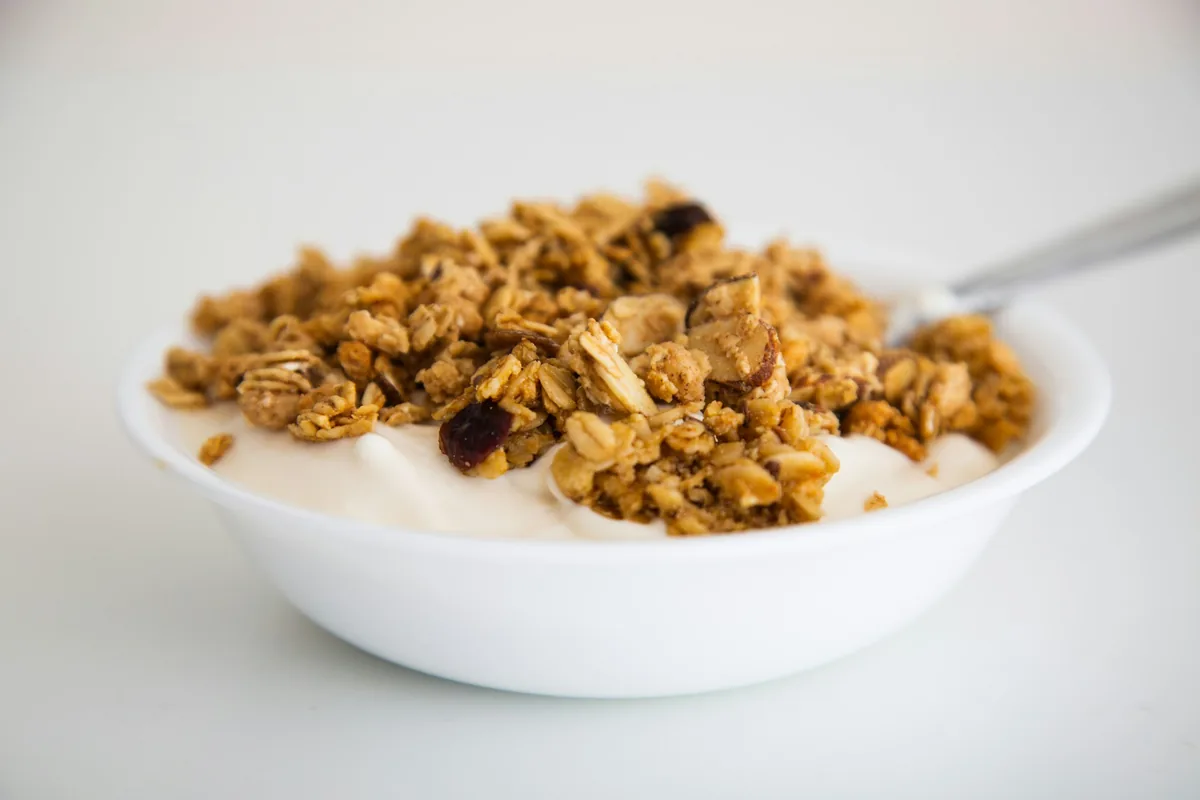
A white bowl of plain yogurt topped with granola, with a spoon
Photo: Welcome on Unsplash (Unsplash License)
01 What it does

What calcium does for you.

Bones & teeth

Almost all body calcium is stored in bones and teeth, giving them structure and hardness2.

Muscle movement

Your muscles need calcium to move2.

Nerve messages

Nerves need calcium to carry messages between your brain and every part of your body2.

Blood vessels

Helps blood vessels contract and relax to move blood around your body1.

Blood clotting

The small pool of calcium in blood and tissues takes part in blood clotting1.

02 How your body uses it

How your body uses calcium.

How your body uses calcium: Food & drinks → Small intestine → Blood → Muscles & nerves → Bones & teeth. Vitamin D needed for uptake Small intestine.01Food & drinksDairy, tofu, greens02Small intestineActive + passive uptake03BloodSmall, tightly held pool04Muscles & nervesMovement, signals, vessels05Bones & teethAbout 98% stored hereVitamin DActive form, calcitriolneeded for uptakeHow your body uses calcium: Food & drinks → Small intestine → Blood → Muscles & nerves → Bones & teeth. Vitamin D needed for uptake Small intestine.01Food & drinksDairy, tofu, greens02Small intestineActive + passive uptakeVitamin DActive form,calcitriol03BloodSmall, tightly held pool04Muscles & nervesMovement, signals, vessels05Bones & teethAbout 98% stored here

Vitamin D promotes calcium absorption in the gut and keeps blood calcium steady3. Bones act as a reservoir that is constantly remodelled, releasing calcium when the body needs it1.

03 Where to get it

Foods and other sources.

YogurtMilkCheeseCalcium-set tofuFortified soy milkKaleBok choyChia seedsSardinesCanned salmon

Vegetarian

Food and servingAmount
Yogurt, plain, low fat, 8 oz415 mg
Mozzarella, part skim, 1.5 oz333 mg
Milk, nonfat, 1 cup299 mg
Soymilk, calcium fortified, 1 cup299 mg
Tofu, firm, made with calcium sulfate, ½ cup253 mg
Soybeans, cooked, ½ cup131 mg
Kale, cooked, 1 cup94 mg
Chia seeds, 1 tablespoon76 mg

Non-vegetarian

Food and servingAmount
Sardines, canned in oil, with bones, 3 oz325 mg
Salmon, pink, canned, with bones, 3 oz181 mg

About 30% of calcium from dairy and fortified foods is absorbed, but oxalates cut absorption from spinach to about 5%1. Amounts per serving from1.

Fortified foods

Many fruit juices, soy and almond drinks, tofu and ready-to-eat cereals have added calcium; check the label1.

04 How much you need

Your daily reference amounts.

The same reference table draws the reference lines on your charts in Ayuvo. Needs differ in pregnancy and breastfeeding, which are not covered here.

Calcium: daily RDA by age and sex
AgeWomenMenUpper limit
19–301,000 mg1,000 mg2,500 mg
31–501,000 mg1,000 mg2,500 mg
51–701,200 mg1,000 mg2,000 mg
71+1,200 mg1,200 mg2,000 mg

RDA (Recommended Dietary Allowance) is the daily amount that meets the needs of nearly all healthy people. Per day, for adults1.

Upper limit (UL) is the most per day that is unlikely to cause harm. Applies to food, drinks and supplements combined.

Calcium reference amounts for adults aged 31–50: RDA 1,000 mg; Upper limit 2,500 mgRDA 1,000 mgUpper limit 2,500 mg0Adults 31–50, per day
Below the recommended amountRecommended rangeAbove the upper limit
05 Balance

Too little, too much.

Signs like these have many possible causes. They are a reason to talk to a clinician, not to self-treat.

Too little

Getting too little calcium over time can lead to weak, fragile bones2.

  • Osteoporosis (fragile bones)
  • Higher risk of fractures
  • Rickets in children
  • Osteomalacia (soft bones)

Too much

Higher supplemental intakes might raise kidney stone risk, while very high blood calcium usually comes from a health condition, not diet1.

  • Kidney stones (from supplements)
  • Constipation
  • Nausea
  • Poor muscle tone
  • Tiredness
  • Abnormal heart rhythm
06 Blood test

Serum calcium.

Blood calcium is tightly controlled, so it doesn't reflect how much you eat; a bone density scan better reflects long-term calcium status1.

Serum calciumWhat it may mean
< 8.5 mg/dLLow (hypocalcemia)
8.8–10.4 mg/dLTypical range in healthy people
> 10.5 mg/dLHigh (hypercalcemia)

Labs use different units and ranges. Your clinician reads a result alongside your history and other tests.

07 Supplements

Supplement forms.

The two most common forms are calcium carbonate and calcium citrate, and the label lists elemental calcium1.

Calcium carbonate

About 40% calcium by weight; absorbed more fully when taken with food1.

Calcium citrate

About 21% calcium; less dependent on stomach acid, so it can be taken without food1.

Other forms

Gluconate, lactate, phosphate and other forms appear in supplements and fortified foods2.

Supplements can interact with medicines. Talk to a clinician or pharmacist before you start one, especially at high doses.

08 Key points

Remember these five.

  1. Almost all your calcium is stored in bones and teeth.
  2. Vitamin D helps your gut absorb calcium.
  3. Dairy, calcium-set tofu, fortified plant milks and some greens are good sources.
  4. Spinach contains calcium, but very little of it is absorbed.
  5. A normal blood calcium result doesn't mean your intake is enough.
FAQ

Questions about calcium.

Can I get enough calcium without dairy?

Yes, several non-dairy foods help. Calcium-set tofu, fortified soy and almond drinks, fortified juices and cereals, kale, bok choy, and canned sardines or salmon with bones all provide calcium. Check labels, because tofu made without a calcium salt has little calcium.

Calcium carbonate or citrate: what's the difference?

Calcium carbonate contains more calcium by weight and is absorbed more fully with food. Calcium citrate is absorbed well with or without food and is easier to absorb for people with low stomach acid, which is more common in older adults.

Why isn't spinach a good calcium source?

Spinach contains oxalic acid, which binds calcium into a form your gut can't absorb well. Greens without much oxalate, such as kale, broccoli and bok choy, give up their calcium about as well as milk does, though they contain less per serving.

Get started

Track calcium in Ayuvo.

Ayuvo charts calcium by day, week, month and year, with the reference lines from this page, personalised by age and sex where they differ. Supplements you log in Medications count too. Free, with no account.

Coming soon to the App StoreComing soon to Google Play

Or read the code: Ayuvo is open source

Sources

Facts on this page come from these sources, checked on the dates shown. Intake numbers come from Ayuvo's shared reference table, which cites the sources marked for them.

  1. Calcium: Fact Sheet for Health Professionals · NIH Office of Dietary Supplements checked 2026-09-27
  2. Calcium: Fact Sheet for Consumers · NIH Office of Dietary Supplements checked 2026-09-27
  3. Vitamin D: Fact Sheet for Health Professionals · NIH Office of Dietary Supplements checked 2026-09-27

General information, not medical advice. This guide is for healthy adults and does not cover pregnancy, breastfeeding, children or medical conditions. It cannot diagnose or treat anything. Talk to a clinician before starting high-dose supplements, or if you think you may have too little or too much of a nutrient. Spotted an error? Email us.