1. Home
  2. Nutrients
  3. Copper
Essential trace mineral

Copper, the enzyme helper

Copper is an essential mineral that many enzymes need for energy production, iron metabolism, connective tissue and brain chemistry, and a wide range of plant and animal foods provide it1.

MineralsTracked in mgDaily target3 sources · checked 2026-09-27

How much you need

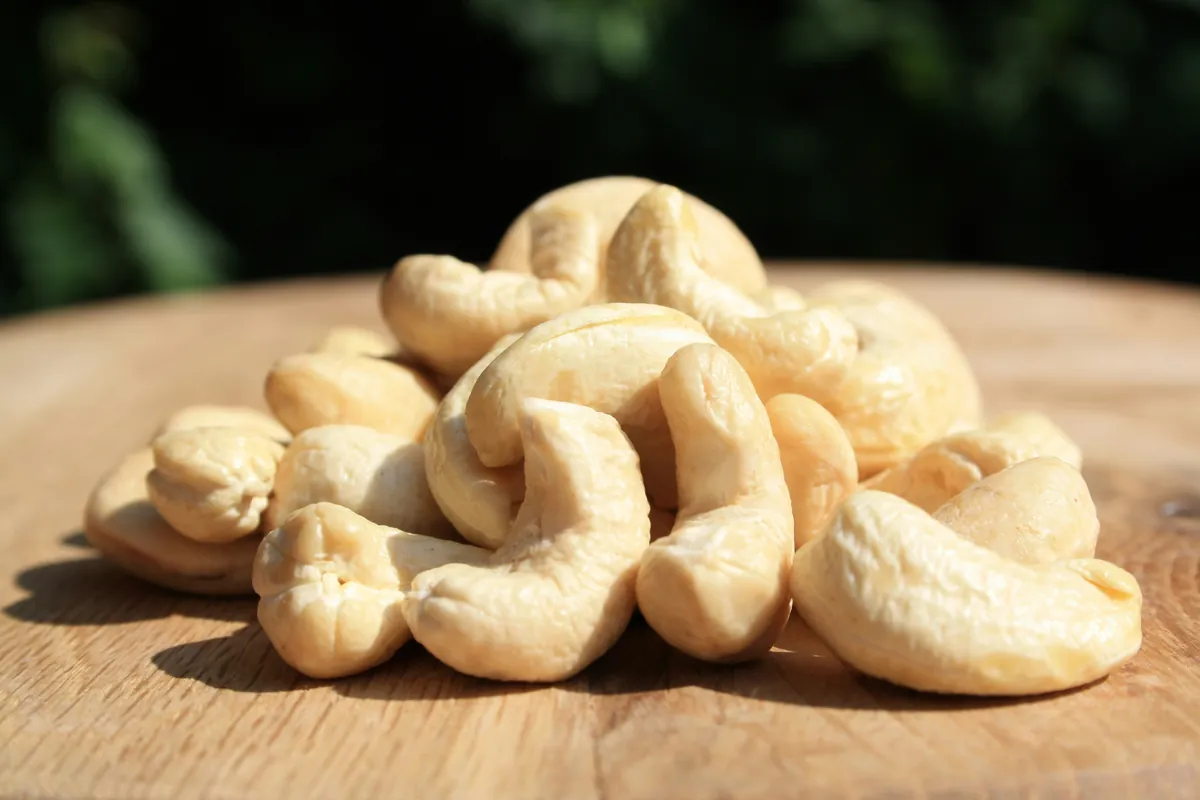
A pile of whole cashew nuts on a round wooden board in sunlight
Photo: Emma Miller on Unsplash (Unsplash License)
01 What it does

What copper does for you.

Energy production

Copper is a cofactor for enzymes, called cuproenzymes, involved in energy production1.

Iron metabolism

Ceruloplasmin, the main copper protein in plasma, plays a role in iron metabolism1.

Connective tissue

Your body uses copper to make connective tissues and blood vessels2.

Brain & nerves

Needed for brain development and for making neurotransmitters, and helps maintain the nervous system1.

Antioxidant & immune

Copper-containing superoxide dismutases are a main defence against oxidative damage, and copper supports immune function1.

02 How your body uses it

How your body uses copper.

How your body uses copper: Food copper → Small intestine → Portal blood → Liver → Ceruloplasmin → Cuproenzymes → Bile. High-dose zinc inhibits uptake in Small intestine.01Food copperShellfish, nuts, cocoa02Small intestineCTR1 takes copper in03Portal bloodATP7A exports copper04LiverATP7B loadsceruloplasmin05CeruloplasminCarries most bloodcopper06CuproenzymesEnergy, iron, connectivetissue07BileExcess copper leavesHigh-dose zincSupplements, denture creamsinhibits uptake inHow your body uses copper: Food copper → Small intestine → Portal blood → Liver → Ceruloplasmin → Cuproenzymes → Bile. High-dose zinc inhibits uptake in Small intestine.01Food copperShellfish, nuts, cocoa02Small intestineCTR1 takes copper inHigh-dosezincSupplements,denture creams03Portal bloodATP7A exports copper04LiverATP7B loads ceruloplasmin05CeruloplasminCarries most blood copper06CuproenzymesEnergy, iron, connectivetissue07BileExcess copper leaves

Copper is absorbed mainly in the upper small intestine, where the CTR1 transporter takes it into gut cells and ATP7A passes it into blood that flows to the liver13. In the liver, ATP7B loads copper into ceruloplasmin, which carries more than 95% of the copper in plasma, and moves excess copper into bile13.

03 Where to get it

Foods and other sources.

OystersLiverCashewsSunflower seedsDark chocolateShiitakePotatoesTofuChickpeasWhole grains

Vegetarian

Food and servingAmount
Baking chocolate, unsweetened, 1 oz938 µg
Potato, cooked, flesh and skin, 1 medium675 µg
Shiitake mushrooms, cooked, ½ cup650 µg
Cashews, dry roasted, 1 oz629 µg
Sunflower seed kernels, toasted, ¼ cup615 µg
Dark chocolate, 70–85% cacao, 1 oz501 µg
Tofu, raw, firm, ½ cup476 µg
Chickpeas, ½ cup289 µg

Non-vegetarian

Food and servingAmount
Beef liver, pan fried, 3 oz12,400 µg
Oysters, eastern, wild, cooked, 3 oz4,850 µg
Crab, Dungeness, cooked, 3 oz624 µg
Turkey giblets, simmered, 3 oz588 µg
Salmon, Atlantic, wild, cooked, 3 oz273 µg

Amounts are in micrograms (µg); 1,000 µg equals 1 mg. The share of copper absorbed falls as intake rises1. Amounts per serving from1.

Tap water

Tap water and other drinks can add copper, and the amount varies widely by source1.

Supplements

Copper is in many multivitamin/mineral products, from a few micrograms to 15 mg per product1.

Absorption adjusts

About 75% of copper is absorbed from a low-copper diet but only 12% from a very high-copper one1.

04 How much you need

Your daily reference amounts.

The same reference table draws the reference lines on your charts in Ayuvo. Needs differ in pregnancy and breastfeeding, which are not covered here.

Copper: daily RDA by age and sex
AgeWomenMenUpper limit
19–300.9 mg0.9 mg10 mg
31–500.9 mg0.9 mg10 mg
51–700.9 mg0.9 mg10 mg
71+0.9 mg0.9 mg10 mg

RDA (Recommended Dietary Allowance) is the daily amount that meets the needs of nearly all healthy people. Per day, for adults1.

Upper limit (UL) is the most per day that is unlikely to cause harm. Applies to food, drinks and supplements combined.

  • Amounts are in mg; the RDA of 0.9 mg equals 900 mcg.
Copper reference amounts for adults aged 31–50: RDA 0.9 mg; Upper limit 10 mgRDA 0.9 mgUpper limit 10 mg0Adults 31–50, per day
Below the recommended amountRecommended rangeAbove the upper limit
05 Balance

Too little, too much.

Signs like these have many possible causes. They are a reason to talk to a clinician, not to self-treat.

Too little

Copper deficiency is uncommon; celiac disease, the rare genetic Menkes disease and high-dose zinc supplements raise the risk1.

  • Extreme tiredness
  • Anemia
  • Lightened patches of skin
  • High blood cholesterol
  • Weak, brittle bones
  • Loss of balance and coordination

Too much

Copper toxicity is rare in healthy people, but it has come from water that stood in copper pipes and from Wilson disease, a rare genetic condition1.

  • Abdominal pain and cramps
  • Nausea and vomiting
  • Diarrhea
  • Liver damage over time
  • Copper build-up in Wilson disease
06 Blood test

Serum copper and ceruloplasmin.

Copper status is not routinely checked and no marker reliably reflects it; studies measure blood copper and ceruloplasmin, which also shift with estrogen, pregnancy, infection and inflammation1.

Serum testTypical range
Copper10–25 µmol/L (63.5–158.9 µg/dL)
Ceruloplasmin180–400 mg/L

Labs use different units and ranges. Your clinician reads a result alongside your history and other tests.

07 Supplements

Supplement forms.

Copper comes in copper-only products, in combination supplements and in many multivitamin/mineral products1.

Cupric oxide

A common form; no studies have compared how well the different forms are absorbed1.

Cupric sulfate

Another common supplement form1.

Copper amino acid chelates

Copper bound to amino acids, such as copper glycinate1.

Copper gluconate

Also widely used; it is not known whether one form is better than another2.

Supplements can interact with medicines. Talk to a clinician or pharmacist before you start one, especially at high doses.

08 Key points

Remember these five.

  1. Shellfish, nuts, seeds, cocoa and whole grains are among the richest copper sources.
  2. Most people get enough copper from the foods they eat.
  3. High-dose zinc supplements taken regularly can lower copper absorption.
  4. The body keeps copper steady by adjusting absorption and sending extra into bile.
  5. Water that stands in copper pipes can pick up extra copper.
FAQ

Questions about copper.

Can a vegetarian diet provide enough copper?

Yes. Cashews, sunflower seeds, dark chocolate, shiitake mushrooms, potatoes, tofu, chickpeas and whole grains all provide copper, so a varied vegetarian diet can supply it without organ meats or shellfish.

Why can zinc supplements lower copper?

High intakes of zinc interfere with copper absorption in the gut. Taking high-dose zinc supplements regularly, or using large amounts of zinc-containing denture cream, can lead to low copper status over time.

Is copper in tap water a concern?

Copper toxicity is rare in healthy people, but it has been reported when water sits in copper pipes and fixtures and picks up copper. The U.S. Environmental Protection Agency sets a limit of 1.3 mg per litre for copper in public water systems.

Get started

Track copper in Ayuvo.

Food logging does not estimate copper, so Ayuvo tracks it from supplements you log in Medications, and from Apple Health on iPhone or Health Connect on Android when another app saves it there. Charts by day, week, month and year use the reference lines from this page, personalised by age and sex where they differ. Free, with no account.

Coming soon to the App StoreComing soon to Google Play

Or read the code: Ayuvo is open source

Sources

Facts on this page come from these sources, checked on the dates shown. Intake numbers come from Ayuvo's shared reference table, which cites the sources marked for them.

  1. Copper: Fact Sheet for Health Professionals · NIH Office of Dietary Supplements checked 2026-09-27
  2. Copper: Fact Sheet for Consumers · NIH Office of Dietary Supplements checked 2026-09-27
  3. Copper in Human Health and Disease: Insights from Inherited Disorders (Petruzzelli R et al. Physiology, 2025) · PubMed Central checked 2026-09-27

General information, not medical advice. This guide is for healthy adults and does not cover pregnancy, breastfeeding, children or medical conditions. It cannot diagnose or treat anything. Talk to a clinician before starting high-dose supplements, or if you think you may have too little or too much of a nutrient. Spotted an error? Email us.