1. Home
  2. Nutrients
  3. Saturated fat
Fat to limit

Saturated fat, the fat to limit

Saturated fat is found mostly in animal foods and tropical oils; too much raises LDL (bad) cholesterol, which is linked with heart disease and stroke12.
FatsTracked in gDaily limit11 sources · checked 2026-09-27

How much you need

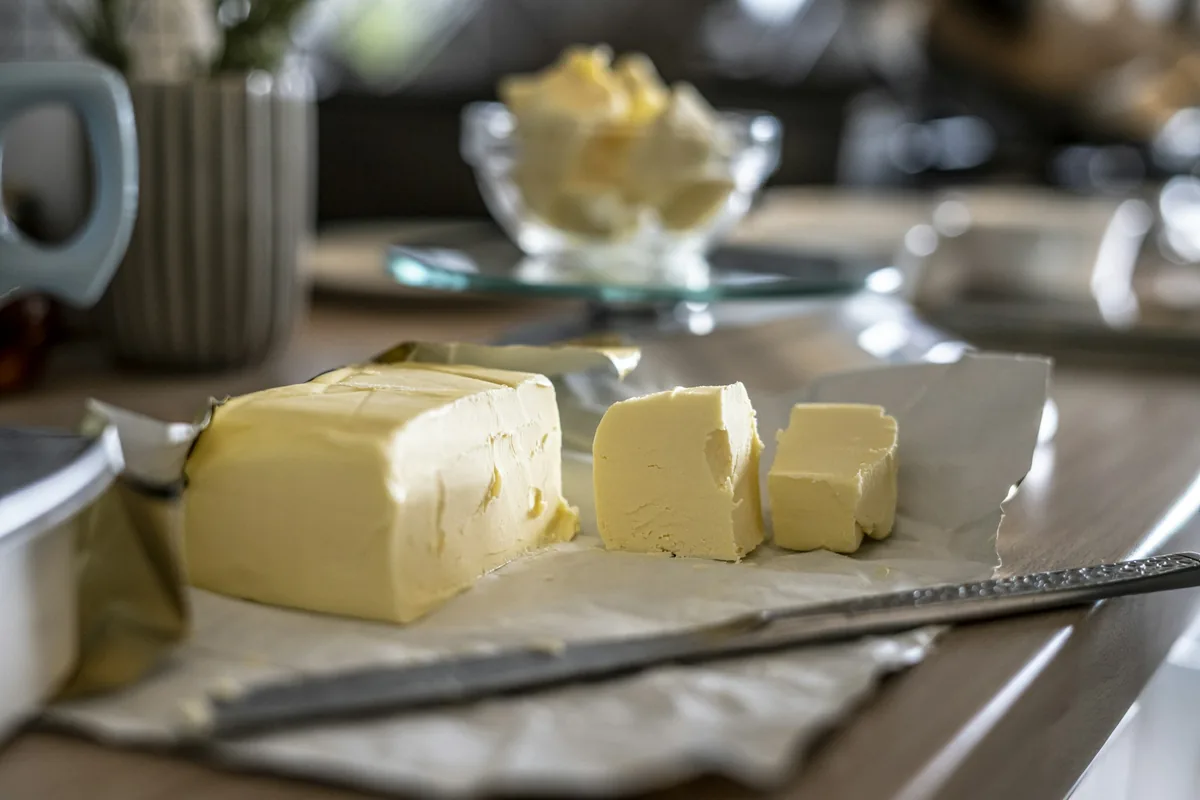
A block of butter cut into cubes on baking paper on a kitchen counter
Photo: Sorin Gheorghita on Unsplash (Unsplash License)
01 What it does

What saturated fat does for you.

Dense energy

Like all fats, saturated fat provides 9 calories per gram1.

Raises LDL cholesterol

Too much saturated fat raises LDL (bad) cholesterol, linked with heart disease and stroke1.

Artery build-up

Too much can cause cholesterol to build up in your arteries1.

Swap it, don't just cut it

Replacing saturated fat with unsaturated fats lowers LDL and is linked with less heart disease34.

Adds calories

Because fat is calorie-dense, eating a lot of it can contribute to weight gain1.

02 How your body uses it

How your body uses saturated fat.

How your body uses saturated fat: Fat in food → Small intestine → Lipase → Chylomicrons → Lymph to blood → Muscle & fat → Liver. LDL cholesterol raised by sat fat Liver.01Fat in foodButter, cheese, meat02Small intestineBile emulsifies the fat03LipaseSplits it into fattyacids04ChylomicronsRepacked inside gutcells05Lymph to bloodVia the thoracic duct06Muscle & fatBurned for energy orstored07LiverClears remnants, makesVLDLLDL cholesterolMade from liver VLDLraised by sat fatHow your body uses saturated fat: Fat in food → Small intestine → Lipase → Chylomicrons → Lymph to blood → Muscle & fat → Liver. LDL cholesterol raised by sat fat Liver.01Fat in foodButter, cheese, meat02Small intestineBile emulsifies the fat03LipaseSplits it into fatty acids04ChylomicronsRepacked inside gut cells05Lymph to bloodVia the thoracic duct06Muscle & fatBurned for energy orstored07LiverClears remnants, makesVLDLLDLcholesterolMade fromliver VLDL

Bile and lipase break fat into fatty acids that travel in chylomicrons through lymph into the blood; the liver makes VLDL, which can become LDL569. Too much saturated fat raises LDL1.

03 Where to get it

Foods and other sources.

ButterCheeseCreamWhole milkCoconut oilPalm oilSausageBaconIce creamBaked goods

Vegetarian

Food and servingAmount
Coconut oil, 1 tbsp11.2 g
Butter, salted, 1 tbsp7.3 g
Cheddar cheese, 1 oz5.4 g
Whole milk, 1 cup4.5 g
Heavy whipping cream, 1 tbsp3.5 g
Cream cheese, 1 tbsp2.9 g

Non-vegetarian

Food and servingAmount
Ground beef (85% lean), broiled, 3 oz5.0 g

Check the Nutrition Facts label, which lists saturated fat separately under total fat2. Amounts per serving from8.

Tropical oils

Coconut, palm and palm kernel oils are plant fats that are high in saturated fat12.

Mixed dishes

Pizza, burgers, tacos, sandwiches and casseroles tend to have ingredients high in saturated fat2.

04 How much you need

Your daily reference amounts.

The same reference table draws the reference lines on your charts in Ayuvo. Needs differ in pregnancy and breastfeeding, which are not covered here.

Under 10% of caloriesReference limit for adults1011. In grams it depends on how much you eat (9 kcal per gram):
Saturated fat limit in grams by daily calories
Daily caloriesLess than
1,600 kcal18 g
2,000 kcal22 g
2,400 kcal27 g
2,800 kcal31 g
  • Less than 10% of daily calories (both the 2020-2025 and 2025-2030 Dietary Guidelines).
Saturated fat reference amounts for adults aged 31–50: Limit 22 g at 2,000 kcalLimit 22 g at 2,000 kcal0Adults 31–50, per day
Within the limitAbove the limit
05 Balance

Too little, too much.

Signs like these have many possible causes. They are a reason to talk to a clinician, not to self-treat.

Too much

Too much saturated fat raises LDL cholesterol and can lead to heart disease and other health problems1.

  • Higher LDL (bad) cholesterol
  • Cholesterol build-up in arteries
  • Higher heart disease risk
  • Higher stroke risk
  • Weight gain from extra calories
06 Blood test

LDL cholesterol (lipid panel).

A lipid panel measures LDL, HDL, total cholesterol and triglycerides, and you may need to fast 9 to 12 hours first7. Diets high in saturated fat raise LDL1.

LDL cholesterolWhat it may mean
Under 100 mg/dL (adults 20+)Healthy level
Under 110 mg/dL (age 19 or younger)Healthy level

Labs use different units and ranges. Your clinician reads a result alongside your history and other tests.

07 Key points

Remember these five.

  1. Saturated fat is mostly in animal foods and tropical oils, and is usually solid at room temperature.
  2. It raises LDL (bad) cholesterol, which is linked with heart disease and stroke.
  3. Swapping it for unsaturated fats, rather than refined carbs and sugar, is linked with less heart disease.
  4. Check the Nutrition Facts label for saturated fat per serving.
  5. Pizza, burgers, tacos and sandwiches can add up quickly; choose leaner fillings.
FAQ

Questions about saturated fat.

Is coconut oil a healthy fat?

Coconut oil is a solid fat that is high in saturated fat, like palm and palm kernel oil. Health agencies suggest cooking with liquid oils such as olive or canola oil instead.

What should I eat instead of saturated fat?

Unsaturated fats from nuts, seeds, fish, avocados and liquid vegetable oils are the recommended swap. Replacing saturated fat with refined carbohydrates and sugars has not been linked with less heart disease.

Do I have to cut out butter and cheese completely?

No. You can still enjoy foods with saturated fat in smaller portions or less often. Choosing lower-fat dairy and lean meats and poultry more of the time also helps.

Get started

Track saturated fat in Ayuvo.

Ayuvo charts saturated fat by day, week, month and year, with the reference lines from this page, personalised by age and sex where they differ. Supplements you log in Medications count too. Free, with no account.

Coming soon to the App StoreComing soon to Google Play

Or read the code: Ayuvo is open source

Sources

Facts on this page come from these sources, checked on the dates shown. Intake numbers come from Ayuvo's shared reference table, which cites the sources marked for them.

  1. Facts about saturated fats · MedlinePlus (U.S. National Library of Medicine) checked 2026-09-27
  2. Cut Down on Saturated Fats (Dietary Guidelines for Americans fact sheet) · U.S. Department of Health and Human Services, Office of Disease Prevention and Health Promotion checked 2026-09-27
  3. Dietary Fats and Cardiovascular Disease: A Presidential Advisory From the American Heart Association (Circulation, 2017) · American Heart Association checked 2026-09-27
  4. WHO updates guidelines on fats and carbohydrates · World Health Organization checked 2026-09-27
  5. Microbial Interactions with Intestinal Lipid Digestion and Absorption: Emerging Targets for Metabolic Disorders (Research, 2025) · PubMed Central checked 2026-09-27
  6. Using the lymphatics to study nutrient absorption and the secretion of gastrointestinal hormones (Physiology & Behavior, 2011) · PubMed Central checked 2026-09-27
  7. Cholesterol Levels · MedlinePlus (U.S. National Library of Medicine) checked 2026-09-27
  8. FoodData Central, SR Legacy food composition data · U.S. Department of Agriculture, Agricultural Research Service checked 2026-09-27
  9. The metabolism of triglyceride-rich lipoproteins revisited: new players, new insight (Atherosclerosis, 2010) · PubMed Central checked 2026-09-27
  10. Dietary Guidelines for Americans, 2020-2025 · U.S. Department of Agriculture and U.S. Department of Health and Human Services checked 2026-09-27
  11. Dietary Guidelines for Americans, 2025-2030 · U.S. Department of Agriculture and U.S. Department of Health and Human Services checked 2026-09-27

General information, not medical advice. This guide is for healthy adults and does not cover pregnancy, breastfeeding, children or medical conditions. It cannot diagnose or treat anything. Talk to a clinician before starting high-dose supplements, or if you think you may have too little or too much of a nutrient. Spotted an error? Email us.