1. Home
  2. Nutrients
  3. Cholesterol
Dietary sterol

Cholesterol, food vs blood

Cholesterol is a waxy, fat-like substance your body uses to make hormones, vitamin D and digestive substances, and your body makes all it needs1.

FatsTracked in mgFor information8 sources · checked 2026-09-27

How much you need

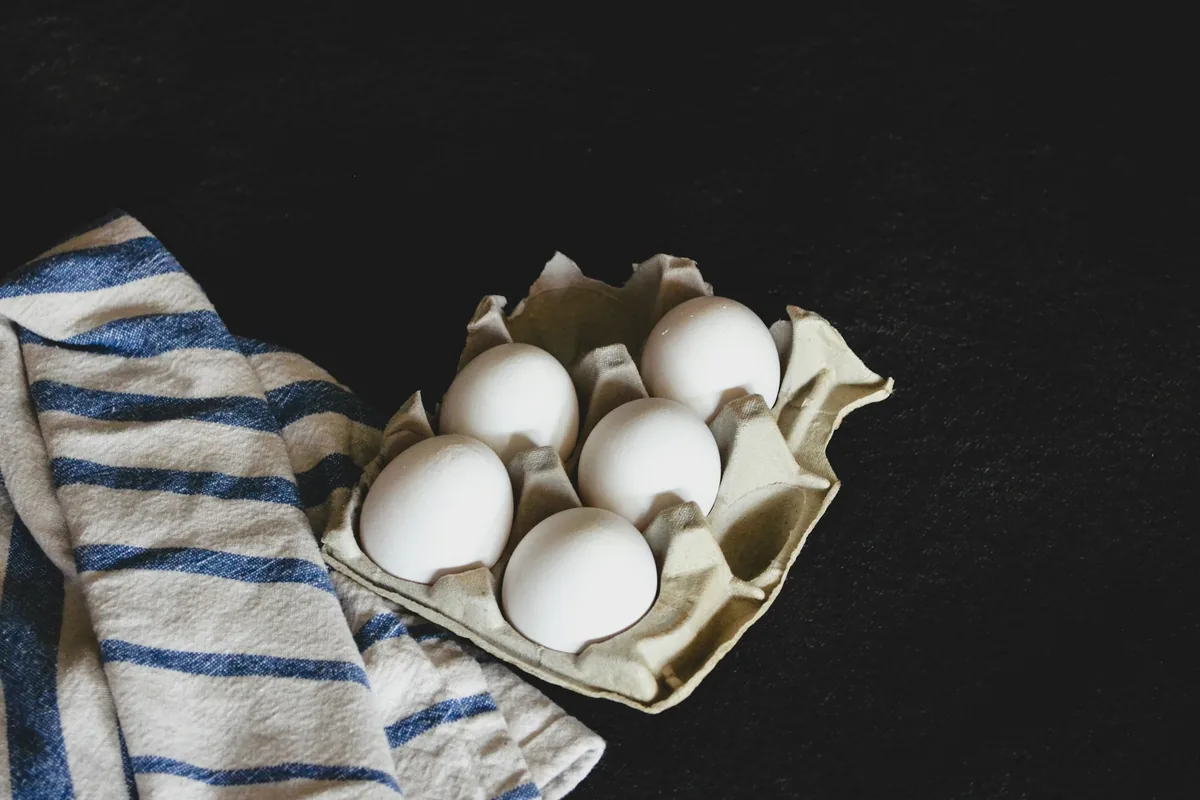
Five white eggs in a cardboard egg tray beside a striped kitchen towel on a dark table
Photo: Debby Hudson on Unsplash (Unsplash License)
01 What it does

What cholesterol does for you.

Every cell

A waxy, fat-like substance found in all the cells in your body1.

Hormones

Your body uses cholesterol to make hormones1.

Vitamin D

Needed to make vitamin D1.

Digestion

Used to make substances that help you digest food1.

02 How your body uses it

How your body handles cholesterol.

How your body handles cholesterol: Animal foods → Small intestine → Liver → LDL in blood → Body cells → HDL → Bile. Diet feedback slows own supply Liver.01Animal foodsEggs, meat, dairy02Small intestineAbout half absorbed03LiverAlso makes cholesterol04LDL in bloodExcess can form plaque05Body cellsHormones, vitamin D06HDLCarries it back to liver07BileLiver excretes extraDiet feedbackMore eaten, less madeslows own supplyHow your body handles cholesterol: Animal foods → Small intestine → Liver → LDL in blood → Body cells → HDL → Bile. Diet feedback slows own supply Liver.01Animal foodsEggs, meat, dairy02Small intestineAbout half absorbed03LiverAlso makes cholesterolDiet feedbackMore eaten,less made04LDL in bloodExcess can form plaque05Body cellsHormones, vitamin D06HDLCarries it back to liver07BileLiver excretes extra

HDL carries cholesterol from other parts of your body back to your liver, while high LDL leads to plaque in the arteries1. When you eat more cholesterol, the liver makes less, absorbs less and sends more into bile, though absorption varies a lot between people5.

03 Where to get it

Foods and other sources.

Egg yolkLiverShrimpBeefChickenButterCheeseWhole milk

Vegetarian

Food and servingAmount
Butter, 1 tbsp31 mg
Cheddar cheese, 1 oz28 mg
Whole milk, 1 cup24 mg

Non-vegetarian

Food and servingAmount
Beef liver, pan-fried, 3 oz324 mg
Egg, whole, hard-boiled, 1 large187 mg
Egg white, 1 large0 mg
Shrimp, cooked, 3 oz161 mg
Ground beef, 85% lean, broiled, 3 oz75 mg
Chicken breast, roasted, ½ breast73 mg
Salmon, Atlantic, farmed, cooked, 3 oz54 mg

Dietary cholesterol comes only from animal-derived foods such as eggs, offal, dairy and shellfish5. Amounts per serving from6.

Made by your body

Your body makes all the cholesterol it needs; animal foods add more1.

04 How much you need

Your daily reference amounts.

The same reference table draws the reference lines on your charts in Ayuvo. Needs differ in pregnancy and breastfeeding, which are not covered here.

No daily numberNo recommended amount or upper limit is set for cholesterol78, so Ayuvo charts your intake without a reference line.
  • Keep as low as possible while eating a nutritionally adequate diet; no numeric limit is set.
05 Balance

Too little, too much.

Signs like these have many possible causes. They are a reason to talk to a clinician, not to self-treat.

Too much

High LDL cholesterol can build up as plaque in the arteries, which can lead to a heart attack, stroke or other health problems2.

  • Plaque in artery walls
  • Higher heart attack risk
  • Higher stroke risk
  • Blood clots in arteries
06 Blood test

Cholesterol test (lipid panel).

A cholesterol blood test measures LDL, HDL, total cholesterol and triglycerides, and you may need to fast for 9 to 12 hours before it4.

Adults 20+Healthy level
Total cholesterolLess than 200 mg/dL
LDLLess than 100 mg/dL
Non-HDLLess than 130 mg/dL
HDL60 mg/dL or higher; below 40 (men) or 50 (women) is low

Labs use different units and ranges. Your clinician reads a result alongside your history and other tests.

07 Key points

Remember these five.

  1. Your body makes all the cholesterol it needs, and animal foods add more.
  2. Cholesterol in food comes only from animal foods such as eggs, meat, dairy and shellfish.
  3. Saturated fat raises LDL cholesterol more than dietary cholesterol does.
  4. A large egg has about 187 mg of cholesterol, all of it in the yolk.
  5. A simple blood test (lipid panel) shows your LDL, HDL and total cholesterol.
FAQ

Questions about cholesterol.

Does eating eggs raise blood cholesterol?

For most people, cholesterol from eggs has a relatively small effect on LDL cholesterol, because the liver makes less when you eat more. Saturated fat has a bigger effect, and how much cholesterol people absorb varies widely.

What is the difference between dietary and blood cholesterol?

Dietary cholesterol is the cholesterol in animal foods you eat. Blood cholesterol is what circulates in your bloodstream in particles such as LDL and HDL, and most of it is made by your own body.

What is the difference between LDL and HDL?

LDL is sometimes called bad cholesterol because high levels lead to plaque buildup in the arteries. HDL is called good cholesterol because it carries cholesterol back to the liver so the body can get rid of it.

Get started

Track cholesterol in Ayuvo.

Ayuvo charts cholesterol by day, week, month and year, with the reference lines from this page, personalised by age and sex where they differ. Supplements you log in Medications count too. Free, with no account.

Coming soon to the App StoreComing soon to Google Play

Or read the code: Ayuvo is open source

Sources

Facts on this page come from these sources, checked on the dates shown. Intake numbers come from Ayuvo's shared reference table, which cites the sources marked for them.

  1. Cholesterol · MedlinePlus, U.S. National Library of Medicine checked 2026-09-27
  2. Blood Cholesterol: What Is Blood Cholesterol? · National Heart, Lung, and Blood Institute checked 2026-09-27
  3. Blood Cholesterol: Causes and Risk Factors · National Heart, Lung, and Blood Institute checked 2026-09-27
  4. Cholesterol Levels · MedlinePlus, U.S. National Library of Medicine checked 2026-09-27
  5. Dietary saturated fat and cholesterol: cracking the myths around eggs and cardiovascular disease (Antoni R. Journal of Nutritional Science, 2023) · PubMed Central checked 2026-09-27
  6. FoodData Central (SR Legacy) · U.S. Department of Agriculture, Agricultural Research Service checked 2026-09-27
  7. Dietary Reference Intakes for Energy, Carbohydrate, Fiber, Fat, Fatty Acids, Cholesterol, Protein, and Amino Acids (2005) · National Academies of Sciences, Engineering, and Medicine checked 2026-09-27
  8. Dietary Reference Intakes tables: Reference values for macronutrients · Health Canada checked 2026-09-27

General information, not medical advice. This guide is for healthy adults and does not cover pregnancy, breastfeeding, children or medical conditions. It cannot diagnose or treat anything. Talk to a clinician before starting high-dose supplements, or if you think you may have too little or too much of a nutrient. Spotted an error? Email us.