1. Home
  2. Nutrients
  3. Polyunsaturated fat
Essential fats

Polyunsaturated fat, the essential fats

Polyunsaturated fats include omega-3 and omega-6, essential fats your body cannot make, and they can help lower LDL (bad) cholesterol1.

FatsTracked in gFor information9 sources · checked 2026-09-27

How much you need

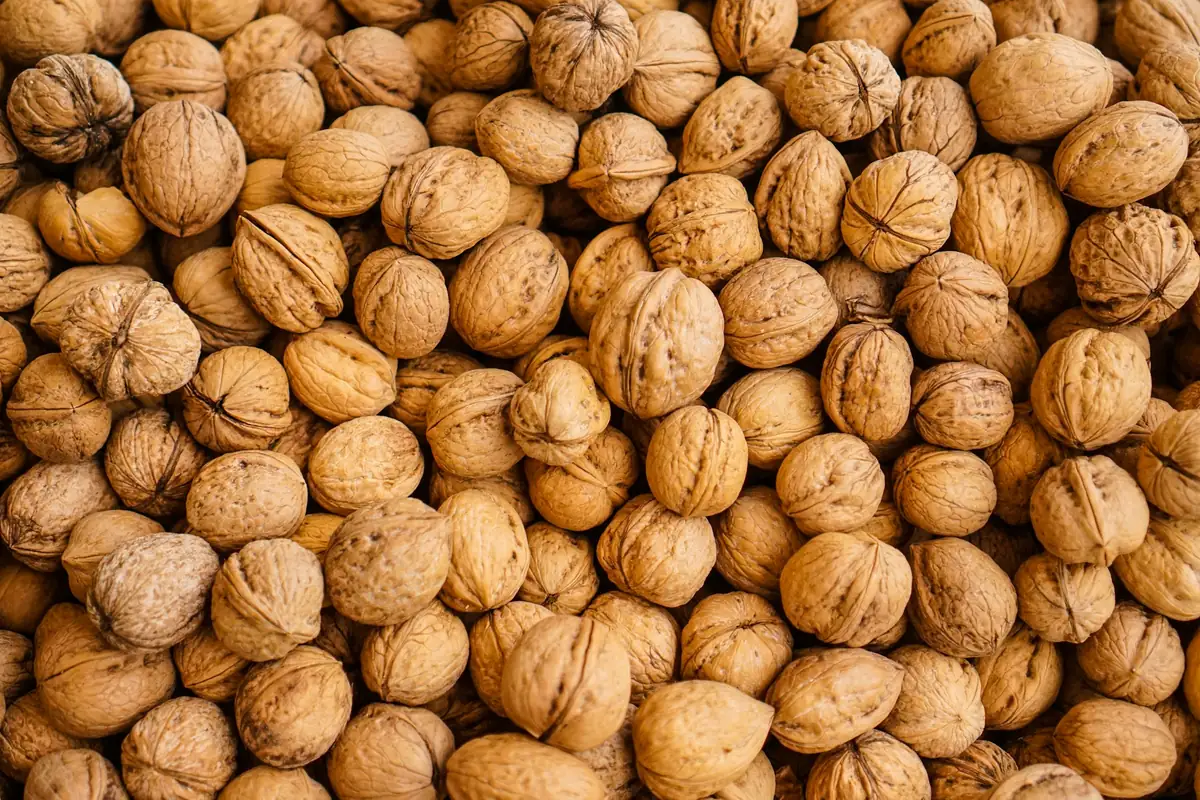
A close-up pile of whole walnuts in their shells at a market
Photo: Tom Hermans on Unsplash (Unsplash License)
01 What it does

What polyunsaturated fat does for you.

Brain function

Omega-3 and omega-6 fats are essential fatty acids the body needs for brain function1.

Cell growth

These essential fatty acids also support cell growth1.

Helps lower LDL

Polyunsaturated fats can help lower LDL (bad) cholesterol1.

Swap for saturated fat

In trials, replacing saturated fat with polyunsaturated vegetable oil was linked with less heart disease34.

Omega-6 roles

Omega-6 fats may help control blood sugar and lower blood pressure1.

02 How your body uses it

How your body uses polyunsaturated fat.

How your body uses polyunsaturated fat: Fat in food → Small intestine → Lipase → Chylomicrons → Lymph to blood → Muscle & fat → Liver. Essential fats must come from food Fat in food.01Fat in foodWalnuts, seeds, fish02Small intestineBile emulsifies the fat03LipaseSplits it into fattyacids04ChylomicronsRepacked inside gutcells05Lymph to bloodVia the thoracic duct06Muscle & fatBurned for energy orstored07LiverClears remnants, makesVLDLEssential fatsOmega-3 and omega-6must come from foodHow your body uses polyunsaturated fat: Fat in food → Small intestine → Lipase → Chylomicrons → Lymph to blood → Muscle & fat → Liver. Essential fats must come from food Fat in food.01Fat in foodWalnuts, seeds, fishEssentialfatsOmega-3 andomega-602Small intestineBile emulsifies the fat03LipaseSplits it into fatty acids04ChylomicronsRepacked inside gut cells05Lymph to bloodVia the thoracic duct06Muscle & fatBurned for energy orstored07LiverClears remnants, makesVLDL

Bile and lipase break fat into fatty acids that travel in chylomicrons through lymph into the blood56. Muscle and fat tissue then burn them for energy or store them, and the liver clears the remnants8.

03 Where to get it

Foods and other sources.

WalnutsSunflower seedsFlaxseedChia seedsSalmonMackerelTroutCorn oilSoybean oilSafflower oil

Vegetarian

Food and servingAmount
Walnuts, 1 oz (14 halves)13.4 g
Sunflower oil (high linoleic), 1 tbsp8.9 g
Sunflower seed kernels, ¼ cup8.1 g
Soybean oil, 1 tbsp7.8 g
Corn oil, 1 tbsp7.4 g
Chia seeds, dried, 1 oz6.7 g
Flaxseed, ground, 1 tbsp2.0 g

Non-vegetarian

Food and servingAmount
Atlantic salmon, farmed, cooked, 3 oz3.9 g

Cook with corn or safflower oil instead of butter, and keep walnut portions small since nuts are high in calories1. Amounts per serving from7.

Fatty fish

Salmon, mackerel, herring, albacore tuna and trout are sources of polyunsaturated fat12.

04 How much you need

Your daily reference amounts.

The same reference table draws the reference lines on your charts in Ayuvo. Needs differ in pregnancy and breastfeeding, which are not covered here.

No daily numberNo recommended amount or upper limit is set for polyunsaturated fat9, so Ayuvo charts your intake without a reference line.
  • No recommended daily amount is set for total polyunsaturated fat.
05 Balance

Too little, too much.

Signs like these have many possible causes. They are a reason to talk to a clinician, not to self-treat.

Too little

Your body cannot make essential fatty acids such as omega-3 and omega-6, so they must come from food1.

  • Essential fats come only from food
  • Needed for brain function
  • Needed for cell growth

Too much

All fats contain 9 calories per gram, so eating too much fat can lead to weight gain1.

  • Extra calories add up quickly
  • Weight gain over time
  • Nuts and oils are calorie-dense
06 Key points

Remember these five.

  1. Polyunsaturated fats include omega-3 and omega-6, essential fats your body cannot make.
  2. Walnuts, sunflower and flax seeds, fatty fish and corn or soybean oil are rich sources.
  3. They can help lower LDL (bad) cholesterol when they replace saturated fat.
  4. Cutting saturated fat does more for blood cholesterol than just adding polyunsaturated fat.
  5. Nuts and oils are calorie-dense, so small portions go a long way.
FAQ

Questions about polyunsaturated fat.

Are omega-3 and omega-6 polyunsaturated fats?

Yes. Both are polyunsaturated fats and essential fatty acids, which means your body cannot make them and they must come from food. Fatty fish, walnuts, seeds and vegetable oils all provide polyunsaturated fat.

Which fish are high in polyunsaturated fat?

Salmon, mackerel, herring, albacore tuna and trout are good sources. Replacing some meat with fish each week is one way to shift toward healthier fats.

Is it better to add polyunsaturated fat or cut saturated fat?

The swap matters more than adding. Eliminating saturated fat is about twice as effective at lowering blood cholesterol as simply increasing polyunsaturated fat.

Get started

Track polyunsaturated fat in Ayuvo.

Ayuvo charts polyunsaturated fat by day, week, month and year, with the reference lines from this page, personalised by age and sex where they differ. Supplements you log in Medications count too. Free, with no account.

Coming soon to the App StoreComing soon to Google Play

Or read the code: Ayuvo is open source

Sources

Facts on this page come from these sources, checked on the dates shown. Intake numbers come from Ayuvo's shared reference table, which cites the sources marked for them.

  1. Facts about polyunsaturated fats · MedlinePlus (U.S. National Library of Medicine) checked 2026-09-27
  2. Cut Down on Saturated Fats (Dietary Guidelines for Americans fact sheet) · U.S. Department of Health and Human Services, Office of Disease Prevention and Health Promotion checked 2026-09-27
  3. Dietary Fats and Cardiovascular Disease: A Presidential Advisory From the American Heart Association (Circulation, 2017) · American Heart Association checked 2026-09-27
  4. WHO updates guidelines on fats and carbohydrates · World Health Organization checked 2026-09-27
  5. Microbial Interactions with Intestinal Lipid Digestion and Absorption: Emerging Targets for Metabolic Disorders (Research, 2025) · PubMed Central checked 2026-09-27
  6. Using the lymphatics to study nutrient absorption and the secretion of gastrointestinal hormones (Physiology & Behavior, 2011) · PubMed Central checked 2026-09-27
  7. FoodData Central, SR Legacy food composition data · U.S. Department of Agriculture, Agricultural Research Service checked 2026-09-27
  8. The metabolism of triglyceride-rich lipoproteins revisited: new players, new insight (Atherosclerosis, 2010) · PubMed Central checked 2026-09-27
  9. Dietary Reference Intakes for Energy, Carbohydrate, Fiber, Fat, Fatty Acids, Cholesterol, Protein, and Amino Acids (2005) · National Academies of Sciences, Engineering, and Medicine checked 2026-09-27

General information, not medical advice. This guide is for healthy adults and does not cover pregnancy, breastfeeding, children or medical conditions. It cannot diagnose or treat anything. Talk to a clinician before starting high-dose supplements, or if you think you may have too little or too much of a nutrient. Spotted an error? Email us.